


Key Takeaways About Pool Circulation Checks
Pool circulation checks verify that water moves properly through your pump plumbing returns and filter. This information helps homeowners and property managers decide when to act to prevent recurring clarity problems.
- Identify weak returns or one sided skimmer suction early.
- Prevent filter bypass and media packing with regular inspections.
- Avoid costly repairs by catching pump motor or impeller issues.
- Spot blocked fittings buried lines or clogged baskets quickly.
- Reduce chemical use and recurring cloudiness with better flow.
- Plan repairs using measured readings photos and written reports.
Introduction
Clear pool water depends on more than chemicals and skimming. Poor circulation lets debris and algae linger near walls and steps. Homeowners often notice cloudy water, longer pump run times, or odd sounds. These signs usually point to flow problems, blocked returns, or filtration issues.
Weak flow reduces filter effectiveness and lets particles recirculate instead of being trapped. A struggling pump or closed valves can cut turnover and raise sanitizer demand. When flow patterns change, dead zones form where algae and bacteria grow. Addressing circulation early prevents recurring water-quality problems and costly treatments.
Professionals check circulation to find the real cause behind cloudy or staining water. They inspect the pump, skimmer, return fittings, and filter for flow restrictions and wear. Simple readings and visual checks reveal whether the issue is plumbing, equipment, or filtration related. That diagnostic step guides targeted repairs instead of repeated chemical fixes.
For properties in Laguna Niguel, California and San Clemente, California, recurring clarity problems can affect pool use and maintenance time. Left unchecked, weak circulation shortens equipment life and raises energy use. Knowing the cause helps homeowners decide whether to repair, replace, or adjust systems. Timely circulation checks keep water clearer and maintenance more predictable.
How Pool Circulation Checks Work And Why It Matters
Pool circulation checks are routine inspections that verify water moves correctly through the pump, plumbing, returns, and filter. A professional will measure flow, listen for unusual pump noises, and look for weak return jets during the inspection. Homeowners often ask whether a circulation check will find hidden blockages, and the answer is yes when technicians combine visual inspection with simple tests. These checks matter because they show whether circulation, not chemicals, causes recurring cloudiness or algae growth.
- Measure pump suction and discharge visually.
- Inspect skimmer and main drain flow.
- Check return fittings for strong jets.
- Verify filter pressure and condition.
Technicians diagnose issues by comparing observed symptoms to expected system behavior under normal run times. They use tools such as a pressure gauge at the filter, a basic flow estimate, and valve position checks to confirm weak flow. A common homeowner question asks how long diagnostics take, and simple circulation checks often finish within one service visit. Records of pressure readings, photos, and notes help track changes over time and guide repairs.
During inspection, pros look for subtle signs like air in the pump lid, gurgling returns, or one-sided skimmer suction that point to specific faults. They also examine equipment access points and visible plumbing for bends, crushed lines, or missing unions that restrict flow. If filter pressure stays high after backwashing, the filter may need deeper service or media replacement. For equipment-focused inspections, professionals often recommend a full equipment inspection and maintenance when circulation issues recur.
Homeowners in Laguna Niguel, California should know that regular checks prevent persistent water problems and reduce chemical use over time. In San Clemente, California properties, circulation checks can reveal when simple adjustments will restore clear water without bigger repairs. If inspections uncover pump bearing noise, cracked seals, or blocked plumbing, a professional repair is safer than DIY attempts. Acting early keeps pool use convenient and limits damage to pumps and filters.
Identifying Weak Flow And When To Act
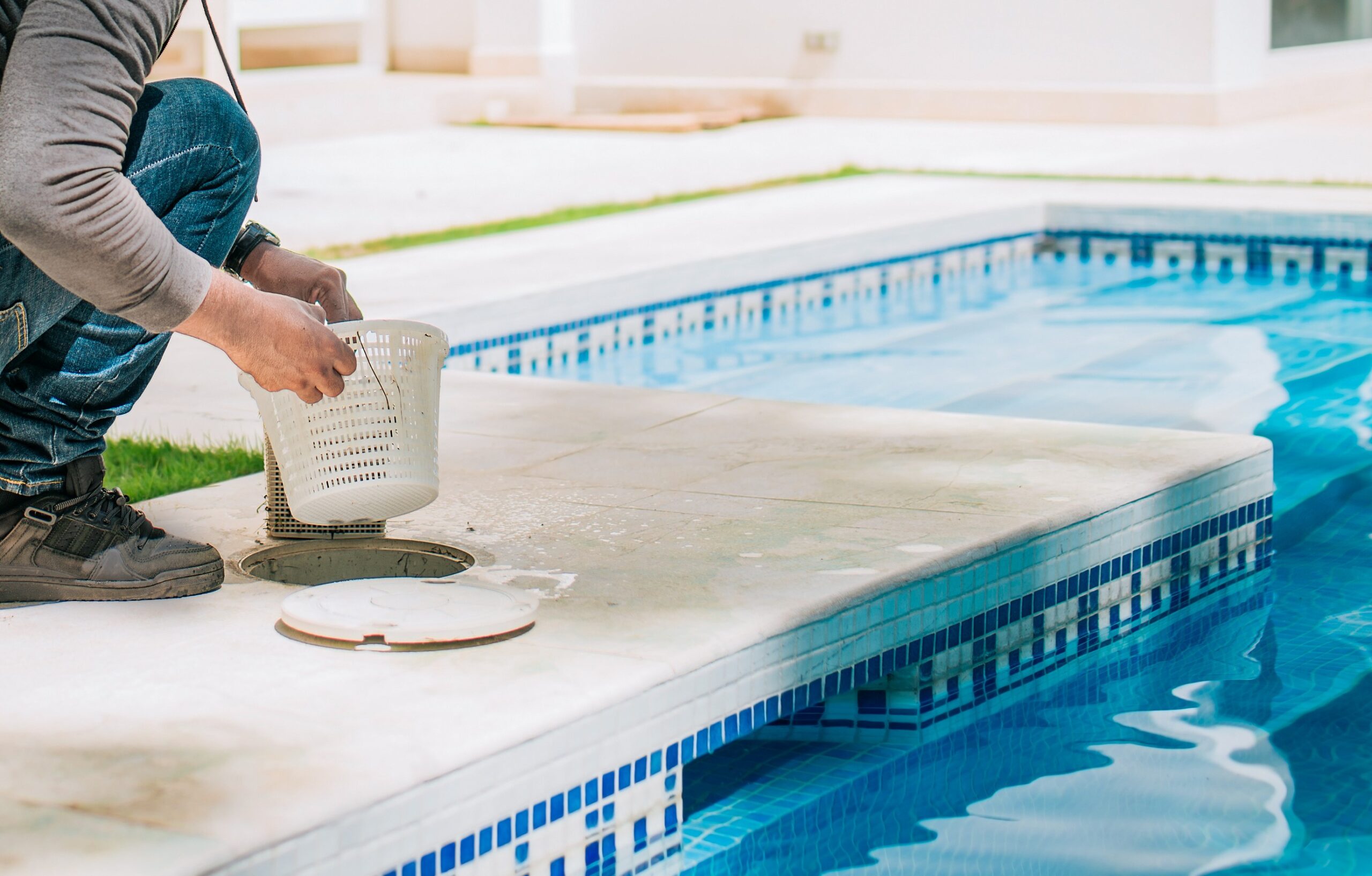
A clear sign of weak circulation is a soft or distant return jet that fails to push surface water toward the skimmer. Homeowners may notice leaves and debris collecting along walls or steps instead of drifting to the skimmer mouth. A technician will perform target checks like measuring static suction at the pump and watching skimmer flow during the pump’s full-speed cycle. These observations help decide if the problem is a simple valve adjustment or a deeper plumbing restriction.
Another symptom is uneven skimmer suction where one skimmer pulls strongly and others barely at all, indicating imbalanced flow or closed plumbing branches. The pro will test valve positions, run manual valve changes, and record filter pressure before and after adjustments. If the pump shows cavitation or air in the pump lid, they will inspect the suction line, skimmer basket, and pump seal for leaks or clogs. Those steps confirm whether weak flow stems from air leaks, blockages, or equipment wear.
When motor performance seems suspect, technicians compare pump current draw and noise to expected ranges and inspect the motor and bearings. If diagnostics point to motor or bearing issues, consider professional motor service or replacement, check details at pump motor servicing. A failing motor will often run hot, make grinding noises, or lose speed under load, which reduces turnover and clarity. Acting before total failure prevents debris bypassing the filter and reduces chemical use.
For homes in Laguna Niguel, California, and properties in San Clemente, California, timing repairs matters because delayed action increases algae risk and chemical cost. A professional gives a written report with measured readings, photos, and recommended next steps so homeowners can make informed choices. If a circulation check shows plumbing collapse or buried line damage, a licensed plumber or pool contractor will be necessary. Early diagnosis keeps minor fixes small and preserves filter life and water clarity.
Pump Performance Issues How They Affect Clarity
Poor pump performance often shows as fluctuating pressure on the filter gauge even when returns look normal. Technicians listen for grinding or high-pitched sounds from bearings and note motor temperature with a non-contact thermometer. They also measure current draw at the pump’s circuit to compare against motor nameplate ratings during diagnostics. These checks reveal whether the pump motor, capacitor, or impeller causes reduced flow.
A common mechanical cause is a worn or clogged impeller that lowers flow without visible leaks. A pro will remove the pump lid, inspect the basket, and then open the volute to examine the impeller for debris or erosion. If the impeller is damaged or the seal shows coolant-like leakage, replacement parts are usually required. For homeowners weighing repair versus replacement, reviewing pump replacement options helps decide the most economical path.
Electrical faults such as a failing capacitor or loose connection can reduce motor torque and speed under load, causing clarity issues. A technician performs a voltage and current test at the motor, checks capacitor microfarad values, and inspects wiring at the starter or breaker. They will also confirm the pump is on a dedicated circuit with proper breaker sizing to avoid nuisance tripping. Repairing electrical faults restores designed flow and avoids recurring filter bypassing problems.
Age-related wear matters because older pumps often run less efficiently and cost more to operate while delivering lower turnover. In Laguna Niguel, California properties, replacing aged pumps can reduce runtime and improve clarity without extra chemicals. For homes in San Clemente, California, timely pump fixes stop particles from recirculating and reduce filter stress. A clear diagnostic report with readings, photos, and recommended actions helps homeowners choose repairs, motor service, or full replacement.
Recognizing Blocked Circulation And Immediate Steps
When returns weaken or one area of the pool stays still, homeowners should look for visible blockages at fittings and skimmer throats. A pro begins by shutting the pump off and removing skimmer and pump baskets to inspect for hair, leaves, or toys blocking flow. They also test individual return fittings by temporarily closing other returns to see if flow improves to the problem outlet. If water movement does not change, the issue likely lies in the buried plumbing or a blocked suction line.
- Check and clear skimmer and pump baskets.
- Inspect return eyeballs for debris or obstructions.
- Open and test multiport and manual valves.
- Observe flow change after closing alternate returns.
To confirm a blockage, technicians run a simple pressure and flow sequence using the filter gauge and pump sight. They may record filter pressure before and after closing returns to see pressure shifts that indicate a restriction. A professional will also listen at the pump for cavitation sounds and check the pump lid for air leaks that mimic blockages. These observations guide whether the plumber should excavate lines or the pool tech should clean the filter media.
Immediate homeowner steps include cleaning visible baskets and scheduling a deeper inspection if problems persist after those actions. If backwashing or media cleaning does not restore returns, consider a full filter service like filter cleaning and backwashing or a pressure test on the plumbing. In Laguna Niguel, California homeowners often discover simple debris clogs after storms, while San Clemente, California properties may need buried-line inspection when blockages repeat. For medium-risk situations, contact a professional to avoid damaging plumbing or equipment during diagnostics and repairs.
Filtration Problems Why They Happen And Solutions
Filters trap particles but wear, media packing, or bypassing allow fine debris to recirculate and cloud water. A technician inspects the filter tank, laterals, and pressure gauge to find source of bypassing. They may open the filter to examine sand, cartridge pleats, or DE grids for channeling, tears, or cemented material. If media shows compaction or damage, replacement or professional deep cleaning is required to restore capture efficiency.
Plumbing or valve faults can force water around the filter instead of through it, reducing cleaning action and clarity. Pros test valve positions and trace flow with the pump running while watching filter pressure changes to confirm proper routing. When backwash valves leak or multiport handles slip, recorded gauge readings and photos help pinpoint the leak for repair. Repairing valve seals or replacing worn multiport assemblies prevents untreated water from bypassing filtration.
Cartridge and DE filters often need scheduled media service beyond simple backwashing to remove oils and scale that trap fine particles. A professional may perform chemical soak, air-wash, or element replacement depending on the filter type and condition. These services improve head loss and lower operating pressure so the pump can maintain designed flow. Homeowners combining regular cleaning and professional servicing see fewer clarity setbacks and longer filter life.
Proper diagnosis includes measurable checks such as filter pressure, visible media condition, and flow at returns while isolating filter paths. A pro will use a pressure gauge, visual inspection, and written notes to confirm whether the filter or plumbing causes poor filtration. If repairs move beyond simple service, consider a timed equipment evaluation and parts replacement through pool equipment services to restore reliable filtration. For ongoing cleaning and chemical balance, schedule routine visits with a pool cleaning and water care professional to keep filters working efficiently.
Chemical Impact On Flow And Decision Points
Pool chemistry affects flow by changing water density and surface tension, which alters how water moves through skimmers and returns. Strong oils, sunscreens, and lotions coat cartridges and DE elements, reducing effective pore size and increasing head loss across the filter. Technicians look for slick films on the water surface and perform simple tests like a pressure reading before and after a chemical shock to see immediate filter impact. If chemical residues persist, a professional cleaning or media replacement is often needed to restore designed flow and capture efficiency.
High combined chlorine or organics can form scale and biofilm inside piping, which narrows passages and lowers velocity near returns. A pro inspects return fittings and may use a camera or pressure differential checks to locate narrowed sections causing poor circulation. For example, an owner might notice slow returns and a slight chlorine odor, a technician would check pressure, sample water for total organic load, and inspect filter internals next. Those steps confirm whether chemical-induced buildup or mechanical restriction drives the problem and guide cleaning choices.
Overuse of flocculants or polymer clarifiers temporarily improves clarity but can clog cartridge pleats and DE grids if dosing is excessive or unfiltered particles pass during application. Professionals advise following label directions and isolating the filter for extra cleaning after treatment to avoid long-term head loss. A homeowner who repeatedly treats cloudy water without addressing flow risks faster filter degradation and more frequent media changes. When chemical treatments coincide with rising filter pressures, consider professional diagnosis before further dosing to avoid wasted products and ruined elements.
Decision points depend on measurable outcomes like sustained high filter pressure, reduced return velocity, or documented media damage during inspection. If cleaning and chemical neutralization do not lower pressure or restore flow, replacement of media, cartridges, or even piping sections may be necessary. For medium-risk situations, a technician can provide a written estimate and scope of work including needed repairs and preventive steps found during a circulation check. Homeowners in Laguna Niguel, California and San Clemente, California can schedule a targeted inspection or repair through pool repair services to resolve chemical-related flow problems safely.
Routine Maintenance Tasks For Better Circulation
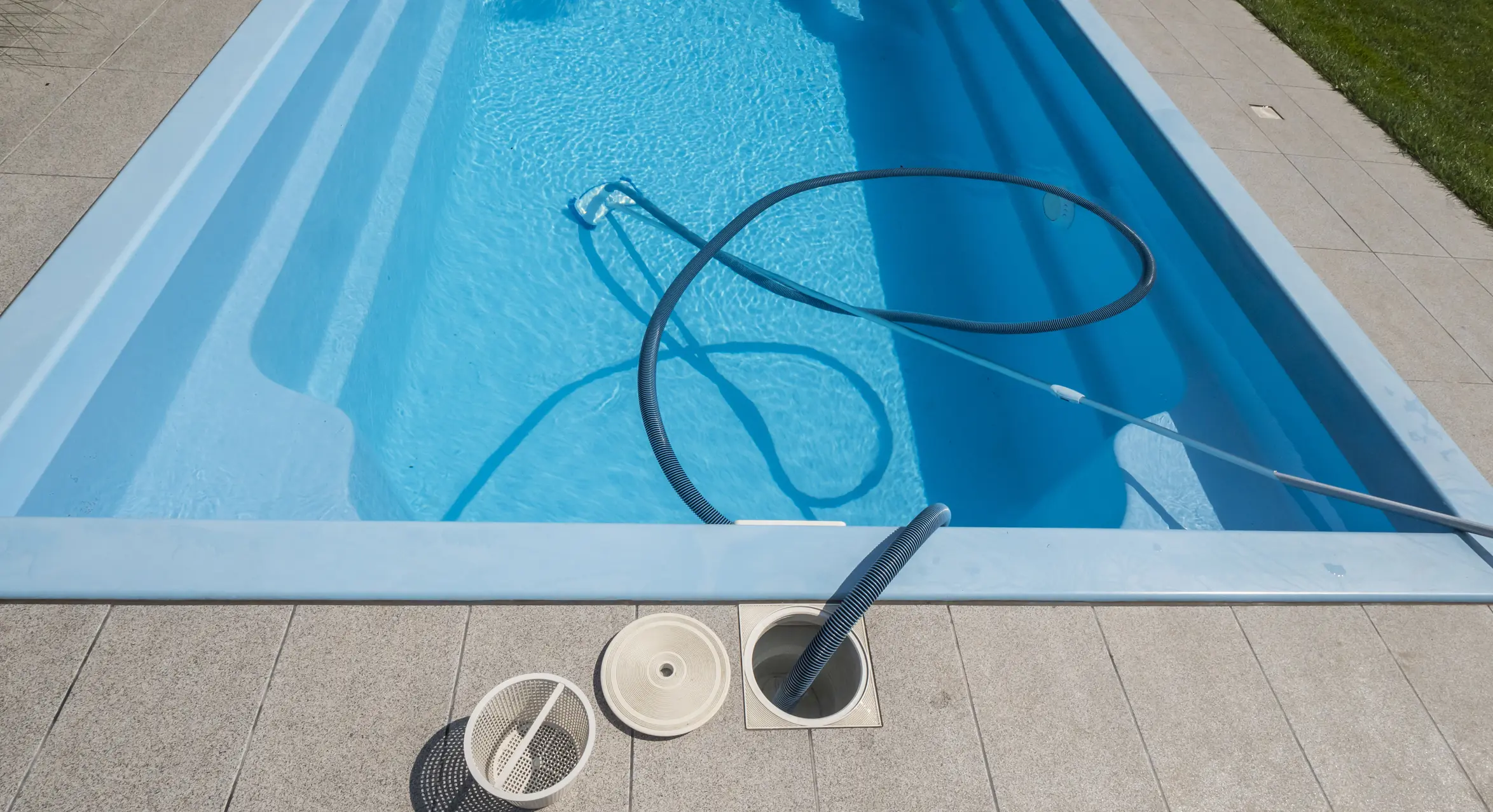
Establish a simple routine to keep water moving and reduce surprises during a circulation check. Start by running the pump for consistent daily turnover and note times when returns feel weak. Inspect and clear skimmer and pump baskets weekly to prevent debris from reaching the impeller. Track filter pressure and record readings after each cleaning to spot gradual pressure rise.
- Empty skimmer and pump baskets weekly.
- Backwash or clean filters as pressure dictates.
- Check return eyeballs for correct orientation.
- Exercise valves monthly to prevent sticking.
- Log run times and pressure readings.
Include simple equipment checks during scheduled maintenance visits to catch developing faults early. Listen for grinding or rattling at the pump and check the pump lid for air bubbles while running. Verify electrical protections like the GFCI or circuit breaker are functioning and not tripping intermittently. If you notice persistent noise or tripping, arrange professional diagnosis to avoid safety and equipment damage.
Integrate water testing into your routine to limit chemistry-driven circulation problems and to time deeper cleanings correctly. Regular testing flags organics and oils that foul filters and slow flow, which guides when to perform chemical cleaning. For reliable measurement and balancing, consider professional water testing and balancing services that document results. Homeowners in Laguna Niguel, California and San Clemente, California may benefit from periodic lab-level checks when persistent clarity issues occur.
When To Call A Professional For Circulation Checks
If you notice recurring weak returns after routine tasks, arrange a professional circulation check rather than guessing at repairs. A technician will perform targeted diagnostics like pressure differential readings and pump current checks to confirm the fault. They can inspect hidden items such as collapsed suction lines and worn impellers that homeowners cannot access safely. For persistent problems, schedule a visit during regular service to minimize downtime.
Call a pro immediately when you detect unusual sounds, steady high filter pressure, or repeated chemical demand despite normal maintenance. These symptoms often mean the pump or filter does not deliver designed turnover and needs professional diagnosis. The tech will test valve positions, measure flow at returns, and document findings with photos and gauge readings for clear repair planning. If electrical anomalies appear, they will recommend an electrician or motor service for safe correction.
Contact a professional before attempting plumbing excavation or internal filter repairs that require tank opening or buried-line work. Improper attempts can worsen leaks, damage laterals, or void component warranties, so skilled technicians with proper tools should handle those tasks. A written scope of work and recorded measurements helps homeowners in Laguna Niguel, California decide whether to authorize more invasive repairs. Always request a clear estimate and timeline before major work begins.
For routine prevention and a single point of contact, consider a scheduled concierge service to include periodic circulation checks with other maintenance tasks. Professionals provide consistent records of pressure trends, inspected components, and suggested parts replacements to avoid emergency failures. If safety risks exist, such as electrical faults or structural plumbing collapse, a professional will prioritize secure corrective steps. After a check, follow the technician’s recommended next actions to restore reliable circulation and clearer water.
Frequently Asked Questions
How do pool circulation checks find weak return flow?
Technicians measure return flow with a flow meter or by timing bucket fill at returns to quantify gallons per minute. They compare measurements to pump curve expectations and system plumbing to spot weak output. Inspectors also check strainer baskets, valve positions, and skimmer suction to find blockages causing low return flow. If electrical or pump issues appear, stop and call a professional because working on live equipment can be hazardous.
Will a circulation check detect hidden plumbing blockages?
Yes. Pool circulation checks can reveal signs of hidden plumbing blockages by measuring reduced flow, unusual pump current, and pressure changes. Technicians observe skimmer and return flow, listen for air in lines, and check pump lid and basket debris. They often use a pressure gauge, flow rate reading, and visual inspection of valves and pump strainer to confirm restrictions. If technicians suspect a concealed blockage, caution is needed and a professional plumber should perform safe diagnostics and any necessary excavations or line repairs.
What signs show a pump or motor fails circulation tests?
Visible symptoms include low skimmer flow, sputtering returns, and steady cloudy water despite normal chemistry. Technicians will note low PSI on the pump pressure gauge and unusually high amp draw on the motor. A failing pump may also emit grinding noises, heat at the motor housing, or frequent tripping of the breaker. Caution: electrical or sealed-motor issues present safety risks, so contact a professional for diagnosis and repairs after pool circulation checks.
Can circulation checks pinpoint filter bypass or media issues?
Yes — pool circulation checks can reveal signs of filter bypass or media breakdown through pressure, flow, and clarity patterns. Technicians compare pump pressure and filter pressure gauge trends to detect unexpected low resistance or rapid clogging. Visible return flow, cloudy water near returns, or unusual skimming debris often point to media gaps or bypass. If readings or observations suggest failure, stop use and contact a professional for safe diagnosis and repair.
How often should homeowners schedule pool circulation checks?
Schedule basic pool circulation checks at least twice a year, ideally before swim season and after heavy storms. Homes with heavy use or nearby vegetation should check quarterly to catch blockages early. If you hear unusual pump noises or see cloudy water, contact a professional promptly for diagnosis. For safety with electrical or pump work, always hire a trained technician rather than attempting repairs yourself.