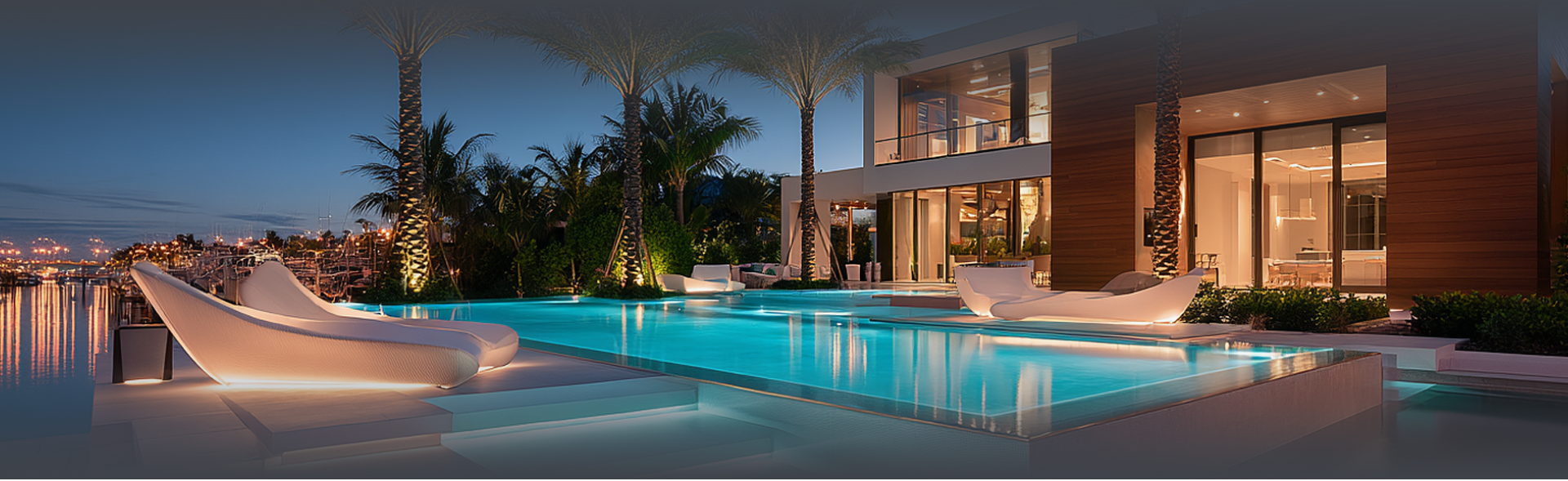


Regular Pool Cleaning & Chemical Balancing

Regular pool cleaning and chemical balancing is the routine care that keeps a commercial pool safe, clear, and ready for use. It covers skimming and vacuuming debris, brushing surfaces, checking filters and pumps, and testing and adjusting chlorine, pH, alkalinity, and other water chemistry so the water stays comfortable and free of bacteria or algae.
You need this service when a pool is used frequently, shows cloudy water, has visible algae, or when staff or tenants complain about redness, skin irritation, or unpleasant odors. Staying on a regular schedule matters because small chemical swings and clogged filters turn into bigger problems fast — higher costs, more downtime, and unhappy users. A brief assessment and routine adjustments prevent most of those issues before they affect pool use.
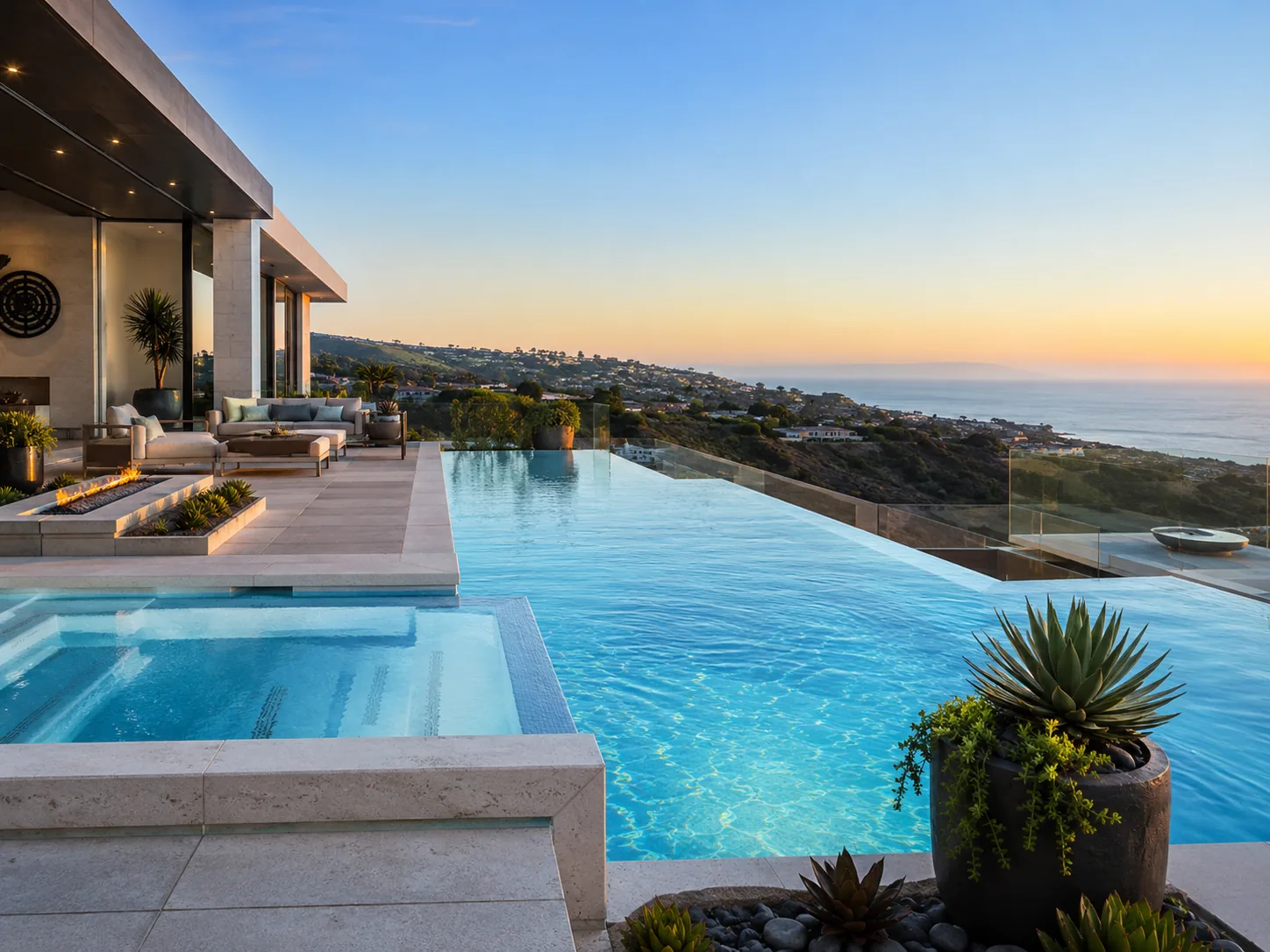
What a Regular Commercial Pool Service Visit Includes
On a routine visit we start with visible debris removal. The crew skims leaves and floating trash, empties skimmer baskets, and runs a quick vacuum where dirt collects. You’ll notice clearer surface water within minutes after that step. Brushing tile lines and steps follows to break up biofilm before it becomes algae.
Next we check circulation equipment and filters. The technician inspects pump pressure, looks for leaks, and observes filter differential to decide if a backwash or cartridge clean is needed. Small equipment issues are flagged so managers can plan repairs before a failure causes downtime. We don’t open major mechanical panels without prior approval.
Water testing is central to each visit. The specialist measures free chlorine, combined chlorine, pH, total alkalinity, and stabilizer levels on site. If any reading falls outside the target range, we make controlled adjustments and document the changes. You’ll get a concise log showing readings, chemicals added, and any follow-up recommendations.
How Water Chemistry Is Checked and Adjusted
On every cleaning visit we treat water chemistry as an active control loop, not a one-time guess. The technician measures free chlorine first, because that level fights bacteria and controls odor. If combined chlorine is high, we add a shock treatment to break chloramines that irritate eyes and noses. Those adjustments usually cut smell complaints and red-eye reports within a day.
pH and total alkalinity get equal attention since they affect chlorine performance and swimmer comfort. Low pH can sting and corrode metal; high pH makes chlorine sluggish and the water feel filmy. We correct alkalinity to stabilize pH, then nudge pH into range with small, measured doses so the changes hold between visits.
Stabilizer (cyanuric acid) and calcium hardness are on the checklist for pools with heavy sun exposure or frequent makeups. Too little stabilizer lets sunlight burn off chlorine quickly. Too much makes chlorine inefficient. Low calcium can etch plaster; high calcium can precipitate and cloud water. When either is off, the specialist notes it and recommends a focused plan to bring levels back over a few service visits.
After adjustments, we record every reading and chemical added in your service log. That brief history helps predict swings after events like heavy bather loads or equipment outages. If recurring imbalances show up, the crew will outline practical next steps so managers can decide on upgrades or schedule changes without guesswork.
Service Frequency for Commercial Pool Use
Pick a frequency that matches actual use, not a generic schedule. For a small office pool with light weekday use, twice-weekly cleaning and checks usually keep chlorine and pH stable and prevent cloudy water after busy afternoons. A hotel or fitness club with continuous turnover needs daily visits; heavy bather loads eat sanitizer and boost combined chlorine, so missing a day often leads to smell and eye irritation complaints. Seasonal shifts matter too—expect to step up visits after storms or outdoor events that add leaves, sunscreen, and high bather counts.
Look for practical signals that change frequency: recurring cloudy water, repeated algae spots on steps, or a stream of user complaints about red eyes or odors mean you should add visits immediately. If filters show rapid pressure rises between cleanings or you’re doing frequent backwashes, that points to more debris or higher bathers than your current plan handles. Conversely, consistent logs showing stable chemistry and low debris suggest you can safely test a slightly reduced schedule during slow periods.
When deciding, weigh exposure and environment together. Pools under trees, near construction, or beside beaches need more frequent skimming and filter attention than a fully covered rooftop basin. High-sun facilities lose chlorine faster and may need more careful stabilizer management, which often benefits from extra midweek testing. We help by reviewing your usage patterns and logs, then recommending a visit cadence that balances water clarity, user comfort, and predictable maintenance demands.
Signs Your Pool Needs Attention Before the Next Visit
Watch the water first: a gray or green tint usually appears before full-blown algae sets in. Cloudy water that won’t clear after a quick vacuum is a red flag for filter or sanitizer issues. If tiles pick up a slimy film between visits, brushing once a week isn’t enough and algae is starting to attach.
Pay attention to what people report. Multiple complaints about red eyes, itchy skin, or a strong chlorine smell mean combined chlorine or chloramines are high. If swimmers smell that “pool” odor after a busy shift, plan an extra shock and a chemistry check. Staff who rinse off and still notice residue on suits often point to high pH or calcium scaling beginning.
Look at circulation and debris cues. Slow return jets, persistent floating debris, or skimmer baskets that clog the same day suggest poor flow or an undersized filter for your bather load. Heavy leaf or sunscreen buildup after events signals a one-off extra clean is needed, not just routine upkeep. When you see any of these signs repeatedly, call us to reassess frequency before users start avoiding the pool.
Factors That Can Affect Commercial Pool Cleaning Costs
Pool size and shape are obvious cost drivers. A large hotel pool or multiple competition lanes take more labor, longer vacuum runs, and larger chemical doses than a small corporate plunge. Depth matters too—deep pools require more water volume and extra chemicals to shift levels, and steps or grooved surfaces need extra brushing time that adds to a visit.
Use level and bather load change how often chemicals get used up. A midday fitness center with back-to-back classes will burn through free chlorine quickly and raise combined chlorine, so expect more frequent shocks and shorter intervals between checks. Conversely, a pool used only for occasional tenant events needs steady upkeep but fewer emergency adjustments.
Water condition and debris type influence work complexity. Pools near trees or windblown areas need heavy skimming and filter attention after storms, while oily sunscreen buildup takes longer to clear and can demand more frequent filter cleanings. High-calc water or heavily chlorinated systems often require spotting and scale control, which shifts the chemistry time and chemical mix on each visit.
Access and equipment condition shape on-site effort. Roof-top or gated pools with tight access add travel and setup time per visit. Aging pumps, undersized filters, or erratic automation mean technicians spend more time diagnosing and manually balancing levels, which shows up in the quote. When you prepare for a proposal, note these factors so estimates reflect real conditions, not a one-size routine.
Schedule a Pool Care Assessment
Book a pool care assessment when you want a clear plan instead of guesswork. A specialist will walk the deck, inspect skimmer and return function, and review recent service logs with your staff. This meeting helps highlight recurring chemistry swings, filtration limits, or staffing gaps that affect pool readiness.
The assessment focuses on actionable recommendations you can approve or ignore. Expect notes on ideal visit frequency for your bather load, small changes to chemical targets for comfort, and any obvious gear that shortens intervals between cleanings. We point out fixes that cut downtime and those that are optional conveniences.
Scheduling is flexible to fit low-urgency commercial needs. We’ll come during a quiet period to minimize disruption and leave a concise report with readings, observations, and suggested visit cadence. If you want to set a regular plan after the assessment, we can draft a simple proposal for review and scheduling.
Frequently Asked Questions
What exactly happens during a regular commercial pool cleaning visit?
The crew skims and vacuums visible debris, brushes tile and steps, checks pumps and filters, and runs water tests for chlorine, pH, alkalinity, and stabilizer. Small equipment issues are noted, and if chemistry is off, the technician makes measured adjustments and records readings and chemicals added.
How do you test and adjust water chemistry to reduce eye and skin irritation?
The specialist measures free and combined chlorine first, then checks pH and total alkalinity to ensure chlorine works properly and swimmers stay comfortable. If combined chlorine is high, we recommend or perform a shock; if pH or alkalinity are off, we add small, controlled doses to bring levels back into the target range.
How often should a commercial pool be serviced for reliable water quality?
Frequency depends on bather load, debris exposure, and weather: light-use pools may need twice-weekly visits, while hotels or fitness clubs often need daily checks. Look at your service logs and complaint patterns to decide; recurring cloudy water, algae spots, or frequent red-eye reports mean you should increase visits.
What signs mean I should call for service before the next scheduled visit?
Call early if water turns cloudy or green, tiles get slimy, swimmers report red eyes or strong chlorine odors, or return jets slow down. Persistent debris buildup or skimmer baskets clogging the same day also indicate filtration or circulation problems that need attention.
Which factors influence the cost of regular commercial pool cleaning and balancing?
Quotes vary based on pool size and depth, bather load and usage patterns, debris type and frequency, and equipment access or condition. Rooftop access, aging pumps, high sunscreen or calcification, and heavy leaf loads all increase onsite time and chemical use, which affects the estimate.