


Key Takeaways About Pool Automation Upgrade
A pool automation upgrade adds controllers, sensors, and smarter pumps to run water and chemistry automatically. This summary is for homeowners and property managers deciding when automation matters for clearer water and lower operating costs.
- Identify sensor readings and probe calibration during a diagnostic visit.
- Prevent overchlorination and algae by linking dosing to real data.
- Avoid energy waste by matching pump speeds to actual flow needs.
- Spot wiring grounding or connectivity faults that cause false alarms.
- Reduce runtime and chemical use with scheduled low speed operation.
- Plan upgrades with recorded baseline readings and technician recommendations.
Introduction
Many pool owners in San Clemente, California feel frustrated by messy chemistry, surprise energy bills, and time spent on routine checks. Connected controllers, sensors, and variable-speed pumps can stop small problems from becoming expensive ones. The real issue is not technology itself but how systems are monitored and managed day to day. When monitoring is inconsistent, chemical drift and inefficient pump cycles cause visible cloudiness and higher costs.
Remote monitoring lets a trained team see real-time readings instead of relying on spot checks and guesswork. Sensors report pH, ORP, water temperature, and flow so dosing decisions match the current condition. Variable-speed pumps move water more efficiently and allow schedules that match actual use patterns. That combination reduces chemical waste and cuts runtime compared with older single-speed systems.
Automated dosing lowers the chance of overchlorination and algae outbreaks that make pools unusable for days. When dosing ties to accurate sensor data, adjustments happen immediately after a rain or heavy use. Stillwater Pool Concierge manages those adjustments to keep conditions stable without homeowner time investment. Homeowners notice clearer water, fewer smell complaints, and more predictable maintenance windows.
There are cost and safety reasons to let professionals handle connected systems rather than trying quick fixes. A technician will inspect the controller, verify sensor calibration, and confirm pump wiring and scheduling during diagnosis. That approach produces recorded readings and a written plan rather than guesswork. For properties near San Juan Capistrano, California consistent monitoring can prevent small off-balance events from becoming recurring problems.
What Pool Automation Upgrade Entails And Benefits
A pool automation upgrade means adding controllers, sensors, and smarter pumps to manage water and chemistry automatically.
- Reduces manual testing and guesswork.
- Matches chemical dosing to real-time conditions.
- Shortens pump runtime and lowers energy use.
- Provides recorded data for service decisions.
Homeowners often ask if automation really lowers bills, and the short answer is yes when systems run efficiently.
A typical upgrade bundles connected controllers with pH and ORP sensors plus a variable-speed pump so cycles adjust to real demand.
Professionals verify sensor calibration, check flow with a pressure gauge, and log controller outputs to confirm savings and proper dosing.
Properties near San Juan Capistrano, California and San Clemente, California often benefit from scheduled control and fewer surprise service calls after an upgrade.
How Connected Controllers And Sensors Work
Connected controllers act as the system brain, gathering sensor data and sending commands to pumps and dosing equipment. They read inputs from pH probes, ORP sensors, and flow or pressure switches to decide when to add chemicals or alter circulation. Many controllers also log timestamps and sensor readings so a technician can review trends and spot drift over days. This recorded output helps confirm whether adjustments worked after maintenance or weather events.
Sensors translate water conditions into electrical signals that the controller interprets. A pH probe produces a voltage that the controller converts to a numeric pH reading, while an ORP probe reports oxidizing potential for sanitizer effectiveness. Flow sensors and pressure gauges confirm the pump is moving water before dosing starts, preventing chemical injection into a stalled line. Proper wiring and grounding reduce false readings and electrical noise that can mislead a controller.
Controllers use that data to run rules and schedules that keep the pool stable without manual input. For example, they can hold a low-speed pump schedule but raise speed automatically when sensors detect a heavy bather load or a large temperature change. These decisions rely on accurate setpoints, hysteresis, and fail-safes in the controller software to avoid rapid on-off cycling. When professionals install a new variable-speed pump, they often configure these parameters and test response with a multimeter and recorded sensor outputs.
When evaluating hardware for a pool automation upgrade, homeowners should check compatibility between controller outputs and pump motor controls. Some pumps need specific signal types or a separate controller module, so technicians verify voltage and communication protocols during installation. A professional may recommend pump options and replacement strategies after inspecting wiring, control panels, and existing equipment, and they might point to pump choices such as those on the pump replacement options page. In San Clemente, California and near San Juan Capistrano, California, this matching step prevents mismatches that lead to unreliable automation performance.
Why Variable Speed Pumps Save Energy And Costs
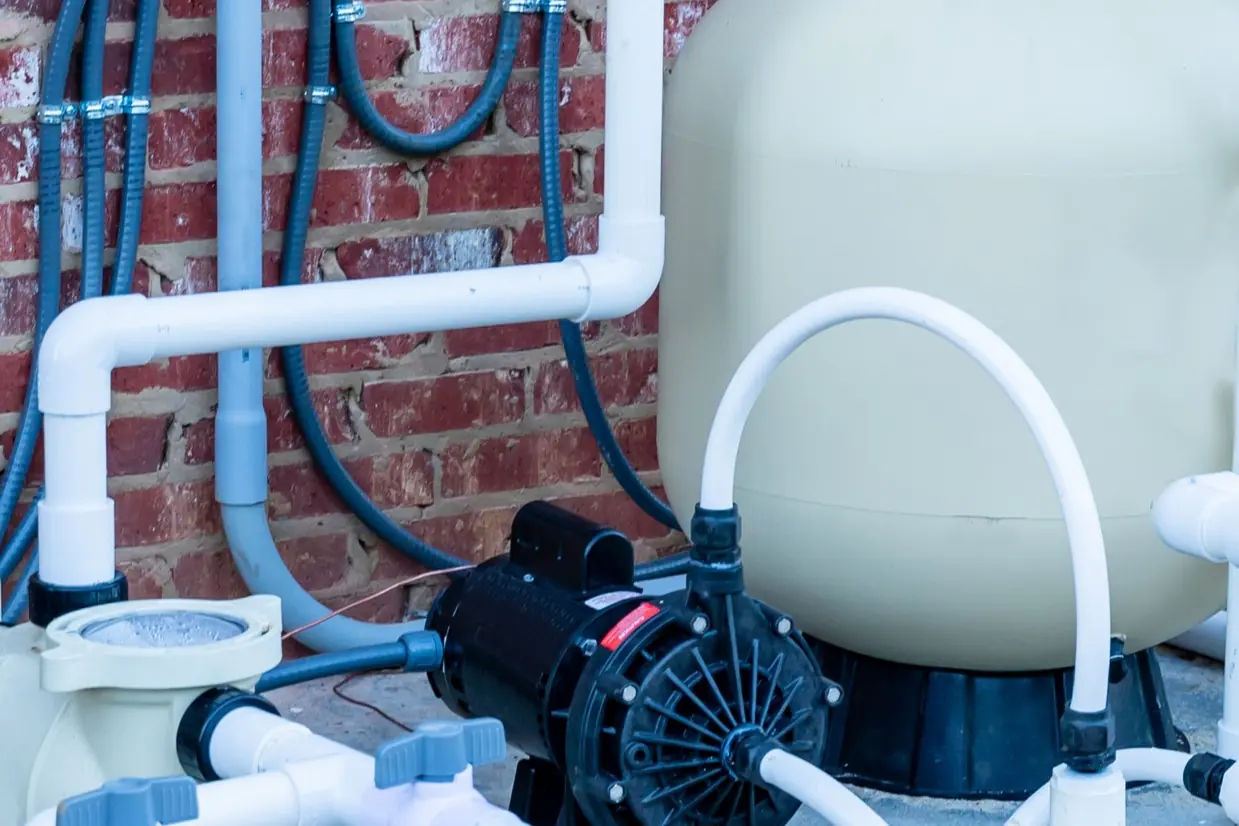
Variable-speed pumps save energy by matching motor output to the actual flow requirement instead of running full speed continuously. Lower RPM reduces electrical draw dramatically during routine filtration, cutting runtime energy use without sacrificing turnover. Technicians confirm savings by recording amp draw and runtime before and after changeover using a clamp meter and runtime logs. Homeowners often hear a quieter motor and notice slower but steady water return when the pump runs at low speed.
These pumps let controllers set multiple speeds for cleaning, circulation, and heavy bather loads, so the system avoids unnecessary high-speed operation. A professional inspects the pump’s wiring, verifies VFD or drive compatibility, and checks signal wiring between controller and motor. They may also test flow with a pressure gauge and validate that low-speed operation still meets heater or chlorinator minimum flow. If a pump needs service, technicians reference routine maintenance tasks similar to those on the pump motor servicing page during diagnosis.
Energy savings depend on correct scheduling and avoiding rapid speed changes that waste more power than steady low-speed runs. A technician programs ramp rates and minimum run times in the controller to prevent short cycling and to protect the motor and capacitor. They gather recorded data like runtime, speed changes, and amp readings to calculate expected bill reductions and to confirm the pump operates within manufacturer limits. Residents in San Juan Capistrano, California often see measurable reductions after these settings get tuned.
Proper pump selection and installation also reduce chemical and equipment wear by maintaining consistent turnover and flow pressure for feeders and heaters. Professionals check that pool equipment like heaters, chlorinators, and valves function correctly at variable speeds using a multimeter and flow tests. If a pump cannot meet the system’s minimum flow needs, techs will recommend alternatives or adjustments to avoid damage. For properties in San Clemente, California ensuring the pump and controller work together prevents short cycling and unnecessary energy waste.
Remote Monitoring Features And When To Act
Remote alerts show measured trends, not opinions, so a technician can act on clear evidence when values drift. Notifications often include timestamped readings, sensor IDs, and recent pump speeds to simplify troubleshooting. A technician will verify alerts by checking probe calibration, reviewing flow readings, and inspecting wiring at the controller. For homeowners in San Juan Capistrano, California, quick alerts can prevent brief chemical imbalances from becoming longer service events.
- Low sanitizer alarm requires immediate probe verification.
- High pH alert suggests a dosing or feed problem.
- Flow fault means check pump speed and pressure.
- Temperature spikes can trigger heater or circulation checks.
When an alert arrives, a professional follows a clear diagnosis path rather than guessing at causes. They look for visible cues like cloudy water, unusual smells, or air at returns before testing sensors and pumps. Diagnostic steps include recording ORP and pH readings, checking flow with a pressure gauge, and taking photos for a written report. This process produces data the homeowner can review along with recommended fixes.
Not every alert demands same urgency, the controller’s severity tags help set response time and technician priority. For example, a single minor pH excursion often allows next-day service, while a sustained low sanitizer requires faster intervention. Stillwater Pool Concierge can inspect equipment, adjust controller rules, and perform needed repairs found during diagnosis. Homeowners in San Clemente, California benefit from scheduled follow-ups that confirm settings kept the pool stable after fixes.
Automated Chemical Dosing Mechanics And Decisions
Automated chemical dosing systems use a few key components: dosing pumps, proportional feed lines, and controller outputs that match sensor signals. A technician confirms dosing rates by running a timed pump test and measuring chemical dispensed into a graduated cylinder. They also check that the feeder pump only runs when flow or pressure switches confirm water movement to avoid injection into a dry line. Homeowners often notice dosing events as brief changes in pump noise or small circulation changes at returns.
Decisions behind when and how much to dose depend on setpoints, hysteresis, and safety interlocks built into the controller firmware. Professionals configure minimum intervals and maximum dose limits to prevent rapid overdosing after a sudden sensor spike. During diagnosis a tech will log ORP and pH before and after a controlled dose to confirm the response and adjust dosing curves. This recorded evidence helps tune the system for consistent sanitizer and pH control.
Sensor drift or fouled probe tips can cause repeated dosing when none is needed, so technicians test probes with a calibrated meter and perform a visual inspection for scale or biofilm. They may also run a continuity check on probe wiring and verify grounding to reduce electrical noise that skews readings. If dosing hardware malfunctions, a professional inspects the pump head, tubing, and check valves and compares the delivered volume to expected totals. Corrective steps often include replacing tubing, recalibrating probes, or swapping a worn pump head.
Automated dosing should work alongside scheduled cleaning and debris removal to avoid puzzling chemistry swings after heavy bathers or storms. For example, a lifeguard-style bather surge can use more sanitizer, so the controller must allow for higher temporary dosing without exceeding safety limits. Stillwater Pool Concierge coordinates dosing adjustments with routine maintenance and can reference findings from pool equipment services and weekly cleaning and debris removal when making dosing decisions.
Common Problems With Automation And Why They Happen
Sensors and controllers sometimes give false alarms because of wiring faults, probe fouling, or electrical noise near the controller. A technician will inspect probe wiring, perform a continuity test, and verify grounding to confirm the source of erratic readings. Recorded sensor outputs and photos help separate real chemistry shifts from sensor errors before any dosing change. Homeowners may notice intermittent alarms at night or after storms which often point to wiring or probe contamination issues.
Variable-speed pumps can behave poorly when control signals mismatch or when minimum flow requirements are unmet, causing short cycling or insufficient turnover. A professional checks signal voltage at the pump, measures flow with a pressure gauge, and records amp draw to diagnose the problem. If the pump ramps too quickly it wastes energy and stresses the motor, so technicians set ramp rates and minimum run times for steady operation. Evidence like runtime logs and amp readings supports recommended adjustments or hardware changes.
Automated feeders may over- or under-dose when probe drift or blocked suction lines distort controller inputs, creating visible chemical swings in the water. During diagnosis a tech will clean probe tips, run a timed dispense into a graduated container, and inspect tubing and check valves for clogs or backflow. They compare pre- and post-dose readings to confirm the feeder delivered the expected volume and to adjust dosing curves. For seasonal properties, combining automation with periodic human checks such as those used for vacation monitoring avoids missed issues during absences.
Network and app connectivity problems often look like device failures even when local control still works at the panel, creating confusion for homeowners. Technicians test local controller functions, check Wi-Fi or wired Ethernet links, and capture connection logs to identify intermittent outages. Re-establishing reliable connectivity avoids missed alerts and lets the monitoring team review trends remotely for faster service decisions. Properties near San Juan Capistrano, California sometimes require checking signal paths and router placement to keep remote monitoring consistent.
When To Call A Professional For Automation Help
If automation errors persist after basic checks, call a professional to avoid unsafe chemical handling and electrical risks. A technician will perform hands-on diagnostics including probe calibration, continuity tests, and amp readings at the pump. They will also inspect dosing pump heads, tubing, and check valves for wear or blockages that affect dosing accuracy. For homeowners near San Juan Capistrano, California, timely professional attention prevents small faults from causing larger service events.
- Probe calibration and replacement
- Pump amp and flow verification
- Controller firmware and settings review
- Wiring and grounding inspections
- Dosing hardware and tubing checks
Call when you see repeated alerts that do not clear after simple resets or cleaning of probe tips. A technician documents readings, takes photos, and produces a written report showing what they tested and why. This record helps decide if parts need replacement or if controller rules require retuning for reliable operation. Including routine service plans like the weekly pool concierge service essentials can reduce emergency calls by catching issues early.
If you smell strong chemicals, notice persistent cloudy water, or hear odd pump noises, schedule service promptly for safety. Professionals will confirm local controller function, test Wi-Fi or Ethernet links, and inspect the control panel for moisture or damage. They may run a timed dose and measure chemical dispensed, then compare readings before and after to confirm corrective steps worked. Homeowners in San Clemente, California should treat these signs as reasons to arrange professional inspection quickly.
Choosing The Right Pool Automation Upgrade Options
Start by deciding which functions you want automated: remote alerts, scheduled circulation, or full chemical control. Match desired features to controller capabilities and confirm sensor compatibility with your current plumbing. A professional will inspect probe locations and confirm adequate circulation for reliable dosing. For example, a controller without flow input cannot safely trigger a dosing pump when flow stops.
Consider the variable-speed pump curve and whether it meets heater or chlorinator minimum flow requirements at lower speeds. Ensure the chosen pump accepts the controller’s communication signal or relay type before purchase or installation. Technicians often perform a flow test and record pressure gauge readings to confirm performance. These checks prevent selecting hardware that forces high-speed operation and wastes energy.
Choose sensor types and mounting locations to reduce fouling and electrical noise while improving reading stability over time. A technician will evaluate probe wiring length, grounding, and nearby electrical sources to lower interference. Routine checks and scheduled calibration are crucial, and homeowners can learn more about testing and balancing by reviewing water chemistry testing and balancing. Proper placement reduces false alarms and extends probe life.
Decide whether you want cloud-based remote access or local-only control and ask about data retention policies and alert thresholds. Discuss automatic dose limits and minimum intervals so the system avoids repeated short dosing cycles after sudden spikes. A pro will document settings in a written plan with expected responses for typical events. Clear documentation helps homeowners follow when technicians recommend follow-up visits.
Balance upfront component costs against long-term energy and chemical savings to choose the right upgrade package. Request recorded baseline readings, expected runtime reductions, and estimated dosing changes to compare options concretely. A diagnostic visit including amp readings, pressure measurements, and probe calibration creates the data needed for informed choices. Homeowners in San Juan Capistrano, California and San Clemente, California will benefit from this evidence-based selection process.

Frequently Asked Questions
How does a pool automation upgrade cut energy costs?
A pool automation upgrade reduces energy use by letting variable-speed pumps run at lower RPMs for longer, matching flow to actual needs. Connected controllers schedule pump, heater, and lighting runtime to avoid high-cost peak hours. Sensors and automated dosing cut pump runtime by keeping chemistry stable and reducing frequent backwashing. For electrical or control-panel work that risks shock, always hire a professional to inspect and complete the upgrade.
Will automation reduce my time spent on pool chemistry?
Yes. A pool automation upgrade lets sensors and controllers measure pH, ORP, and temperature automatically and log readings remotely. Automated dosing systems add chemicals only when readings show a need, reducing manual testing and trips to the pool equipment pad. Always follow safety guidance and have a professional install and commission dosing equipment to avoid chemical hazards.
What sensors and controllers are needed for remote alerts?
Remote alerts rely on a networked controller, water chemistry sensors, flow and pressure sensors, and a leak or flood detector. Temperature, ORP, pH, and conductivity probes send chemical readings to the controller for automated dosing decisions. A variable-speed pump controller and flow sensor report runtime, RPM, and low-flow conditions to prevent equipment damage. If you suspect electrical or plumbing hazards, stop and call a professional for safe inspection and installation.
How do pros diagnose pump and sensor problems remotely?
Technicians start by checking live telemetry from the controller and sensors to view pump speed, flow, pressure, and chemical feed rates. They compare current readings to historical baselines and expected ranges to spot anomalies like low flow or erratic sensor spikes. If readings suggest a problem, pros inspect the pump, variable-speed drive, wiring, and sensor mounts remotely where possible, and advise on-site checks or shutdowns. Exercise caution with electrical or wet equipment and hire a professional for any in-person diagnostics or repairs.
Can automation prevent algae and overchlorination events?
Yes. A pool automation upgrade helps prevent algae by monitoring sanitizer levels, temperature, and flow to trigger dosing automatically. Proper sensors and dosing pumps also reduce overchlorination by dosing in small, measured pulses based on real-time readings. If sensors fail or readings look wrong, stop automated dosing and call a professional for inspection and calibration to avoid chemical risks.