


Key Takeaways About Pool Algae
Pool algae refers to microscopic plant growth that makes water cloudy slippery and stains surfaces. This summary is for homeowners and property managers who need quick actions when chemistry or circulation issues arise.
- Identify sanitizer drops with regular free and combined chlorine tests.
- Prevent growth by keeping pH alkalinity and hardness within range.
- Avoid stagnant areas by inspecting pumps returns and skimmer flow.
- Spot early signs like film discoloration slimy steps or isolated patches.
- Reduce nutrient sources by skimming brushing and cleaning filters regularly.
- Plan inspections after storms heavy use or seasonal transitions to stay ahead.
Introduction
Pool algae can appear quickly and ruin swimability, cloud water, and stain pool surfaces. Regular water monitoring spots small changes before algae take hold. Tracking sanitizer levels, pH, and circulation gives homeowners control over growth conditions. For many properties, catching issues early saves time and limits chemical use.
Low sanitizer or out-of-balance water invites microscopic plant life to multiply on steps and walls. Algae also thrives where circulation is poor and debris collects in corners. Surface scum, green tints, or cloudy water are common early warning signs. Noticing these cues early reduces the chance of a full bloom.
Homeowners in San Juan Capistrano, California often face seasonal shifts that affect pool chemistry. Pool systems in San Clemente, California can similarly see rapid changes after storms or heavy use. Small swings in chlorine, combined chlorine, and pH matter more than occasional extremes. Consistent checks keep those factors from aligning to favor algae.
When monitoring shows a persistent problem, professionals diagnose circulation, sanitizer feed, and filter performance. Technicians look at pump run time, skimmer flow, and test strip or test kit readings. Photos of water appearance and recorded chemical readings help confirm trends. Early detection keeps pools clear and reduces repair needs.
How Pool Algae Forms And Why It Happens
How pool algae forms and why it happens refers to the biological growth of microscopic plants that thrive in untreated or unstable water. Algae spores enter pools on wind, swimmers, and equipment then multiply when conditions allow. Homeowners often ask whether algae needs sunlight to grow, and the short answer is no, some types grow in shaded areas. Conditions that change slowly let algae establish where they find food and shelter.
- Low free chlorine allows spores to survive.
- High phosphate levels feed algae growth.
- Poor circulation creates stagnant pockets.
- Dirty filters return particles to the pool.
- Warm water speeds reproduction.
Algae needs a food source, a place to attach, and weak sanitizer to spread quickly in a pool. Organic debris such as leaves, sunscreen, and body oils supply nutrients that algae use to grow. A common homeowner question is whether cloudiness always signals algae, and the answer is not always because particles or scum can also cause cloud water. Professionals check phosphate tests and filter condition to distinguish causes and recommend treatments.
Different algae types prefer different locations, so visible cues guide inspections and action. Green algae often float or coat walls, black algae anchors to plaster and resists brushing, and mustard algae appears as yellow-brown film near returns. A technician diagnosing a suspected bloom will inspect walls, test free and combined chlorine, measure pH, and note pump run times. For help with balancing tests and treatment plans, refer to the linked water chemistry resource at water chemistry testing and balancing.
Monitoring Sanitizer Levels To Prevent Growth
Consistent sanitizer readings tell you whether chlorine or bromine levels can stop pool algae before it becomes visible. Test free chlorine and combined chlorine at least twice weekly when use or weather increases demand. Record results and note sudden drops after heavy bather load or rain events to spot trends early. If readings fall unexpectedly, increase shock dose or run the sanitizer feeder per manufacturer directions.
Automated controllers, test strips, and liquid reagent kits each give different detail and precision during diagnosis. A technician confirming intermittent sanitizer failure will check the feeder, salt cell, and pump timer for proper operation. They also inspect return fittings and skimmer flow to ensure sanitizer distributes through the water. Photos of cloudy water and recorded readings help professionals decide whether a shock treatment is needed.
Maintaining a steady residual reduces nutrient uptake that fuels algae, so monitor combined chlorine to detect chloramines. High combined chlorine signals sanitizer is tied up and less available to control growth. In those cases, a partial drain or breakpoint chlorination may be required depending on test outcomes. Homeowners with busy pools often follow scheduled cleaning and balancing as part of routine prevention by using regular maintenance plans.
Testing frequency should rise after storms or when outdoor activity increases residue in the pool, which can deplete sanitizer quickly. For properties in San Clemente, California and San Juan Capistrano, California seasonal shifts often require closer attention to residuals. Keep a simple log with date, time, free and combined chlorine, pH, and any corrective actions for clear decision records. When in doubt about persistent low residuals or repeated blooms, contact a pool professional to inspect equipment and advise treatment.
Balancing Water Chemistry And When To Act
Maintaining proper alkalinity and calcium hardness keeps pH swings from starving sanitizers of effectiveness and creating hospitable conditions for pool algae. Test total alkalinity weekly and adjust slowly using sodium bicarbonate to avoid rapid pH shifts that stress chlorine. Low alkalinity lets pH bounce after chemical additions or rain, which reduces sanitizer lifespan and encourages growth pockets. If readings stay unstable, a technician will check feed rates and circulation before recommending larger corrections.
When pH moves outside the recommended range, chlorine becomes less effective and algae can gain an advantage within hours. Small pH rises often follow daily evaporation and refill cycles, while sudden drops may follow acid additions or heavy bather load. A professional diagnosing persistent pH drift inspects the chemical feed equipment, measures return flow, and reviews recent test logs for trends. They may use a reagent kit for precise pH measurement and record results for treatment planning.
Calcium hardness matters because very soft or very hard water affects sanitizer chemistry and can alter surface conditions where algae attach. Low hardness can erode plaster and expose rough surfaces that hold spores, while very hard water forms scale that hides organic film. During diagnosis, a technician checks hardness readings and examines plaster texture and skimmer basket debris to find areas where algae might anchor. Adjustments use calcium chloride additions or partial drains based on measured levels and pool volume.
Act promptly when you see repeated chemical swings, unexplained cloudiness, or slippery walls despite correct sanitizer readings. Early intervention limits chemical use and avoids a full shock treatment or extensive brushing. For ongoing prevention, pair regular chemistry checks with scheduled cleaning and equipment inspections detailed on the linked pool cleaning and water care resource at pool cleaning and water care. Homeowners in San Juan Capistrano, California and San Clemente, California benefit from keeping a simple log and calling a professional when corrective actions fail to stabilize readings.
Circulation Filtration Checks And Maintenance Decisions
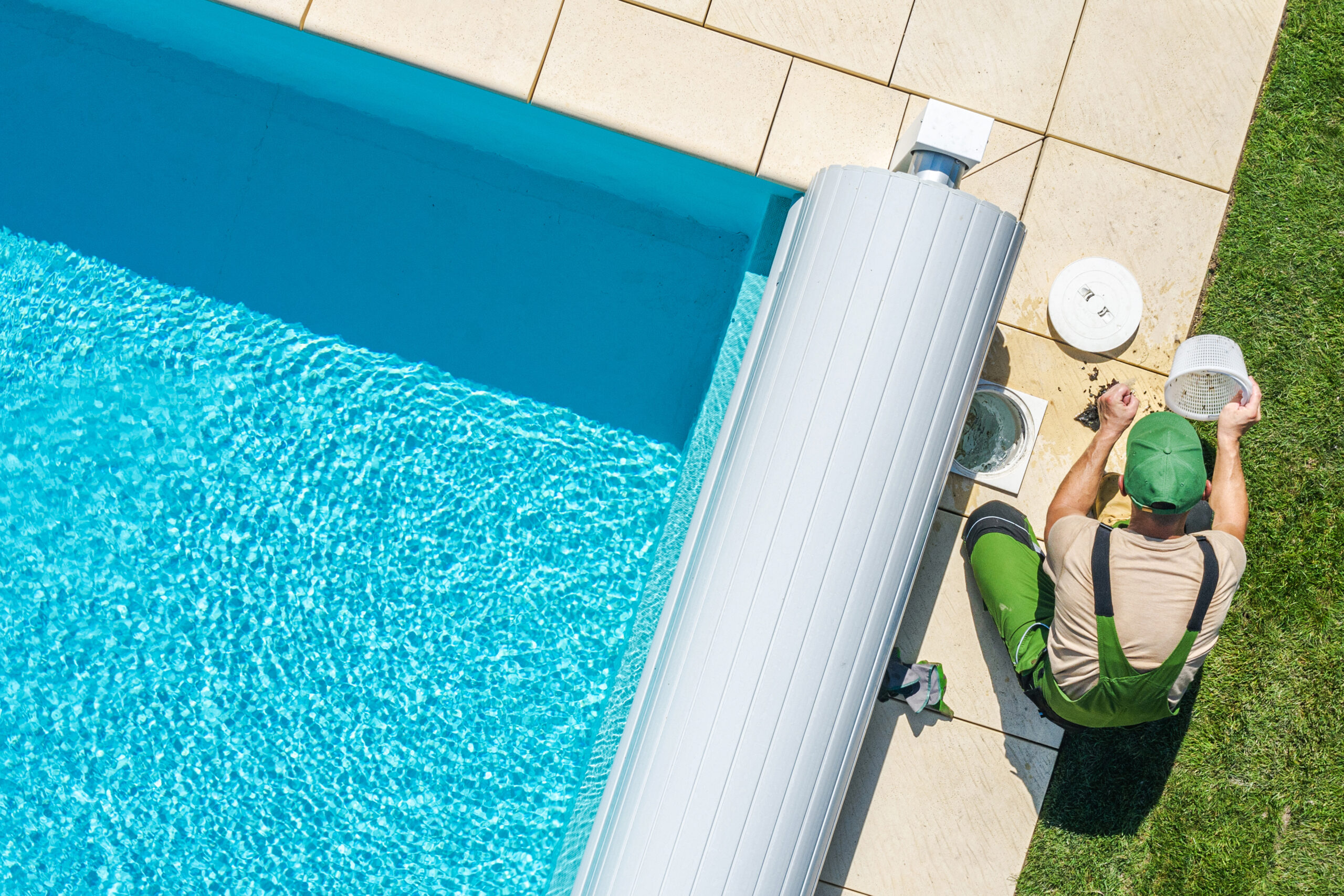
Inspecting pump and return fittings often shows where circulation fails and allows pool algae to establish on cooler, shaded surfaces. Check the pump basket, skimmer mouth, and visible suction lines for debris that reduces flow. A professional will measure pump pressure and compare recorded flow to expected values during diagnosis. If flow is low, technicians check the impeller and pump lid for obstructions before advising part replacements.
- Check pump strainer basket for leaves.
- Inspect skimmer weir and throat for blockages.
- Verify return jets point toward open water.
- Note unusually loud pump sounds for further inspection.
Filter condition directly affects particle removal and nutrient return to water, which influences pool algae risk. Clean or backwash filters according to manufacturer cycles and performance drops using the linked filter cleaning guidance at filter cleaning and backwashing. A clogged cartridge or sand bed that channels water around debris reduces clarity and can feed small blooms. During a diagnostic check, a pro will record pressure differentials, check cartridge integrity, or inspect the laterals in a sand filter.
Decisions about running time and equipment upgrades come from simple checks and homeowner goals for clarity and energy use. Increasing daily pump run time often removes stagnation without chemical escalation, while variable-speed pumps can balance flow and power costs. If repeated low flow or poor filtration appears, a technician may recommend replacing worn parts or moving return fittings to improve circulation. In San Juan Capistrano, California homeowners sometimes schedule inspections after heavy debris events to confirm equipment operates at designed capacity.
For pools near the coast in San Clemente, California, airborne salt and fine sand can tax skimmers and filters more quickly than inland properties. Regular visual checks of the pump basket and routine backwashing reduce the chance that small particulate will accumulate and create feeding grounds for algae. If a homeowner notices persistent cloudiness or slimy surfaces despite correct chemistry, a pro will run flow tests, inspect filter media, and review recent maintenance logs. Those diagnostics guide a clear maintenance plan that limits chemical use and targets circulation problems directly.
Early Warning Signs Of Pool Algae Development
Discoloration that first appears as faint streaks or isolated patches along tile lines often signals algae establishing a hold. Test strips or a liquid kit can confirm whether sanitizer or pH shifts accompany those streaks. A technician diagnosing these early patches inspects return jet direction and measures free chlorine near the affected areas. Document photos and test readings help track whether the spots expand over several days.
Surface film that collects in corners or along the waterline can precede visible green or yellow growth and indicates nutrient accumulation. Skimmer baskets and returns should be checked for concentrated debris that feeds microscopic plants. Professionals may take a phosphate test and measure combined chlorine to see if sanitizer is being used up by organics. Adjusting skimmer flow and brushing lines often removes the film before a full bloom develops.
Slick or slippery pool steps that feel different underfoot suggest a thin biological layer forming on plaster or tile surfaces. A pro will run a simple brush test, sample the slippery area, and compare free chlorine readings at that location. They may also inspect the pool automation and controller schedule to confirm pump run times and sanitizer dosing. Upgrading automation settings can prevent recurrence by increasing circulation during vulnerable periods.
Water that becomes slightly cloudy within a day of heavy use or rain points to a fast change in conditions that can favor algae. Homeowners noticing rapid cloudiness should log chemical readings and run the filter continuously while testing. During diagnosis, a technician looks at filter pressure and may inspect cartridges or laterals for channeling. For owners interested in automated monitoring and dosing to reduce response time, review options for pool automation systems.
Seasonal Changes That Encourage Pool Algae Growth
Temperature shifts between seasons change water chemistry and can speed pool algae reproduction when left unchecked. Cooler nights and warm afternoons create condensation and small pH swings that affect sanitizer activity quickly. Homeowners should note temperature trends and increase monitoring frequency during these transition periods. A professional would compare recorded temperature logs with sanitizer readings to confirm correlations before adjusting treatment plans.
Rain and runoff introduce organics and dilute sanitizer, creating short windows where algae can gain a foothold on surfaces. After heavy rain, test free chlorine and combined chlorine the same day and again within 24 hours to watch for drops. Technicians often inspect skimmer baskets and measure sanitizer residual near inlets when diagnosing post-storm problems. Keeping the filter running longer after rain helps remove fine debris that would otherwise feed microscopic growth.
Seasonal landscaping changes bring extra leaves, pollen, and mulch into pools that act as food for microscopic plants and can hide early pool algae spots. Increased debris load can overwhelm skimmers and reduce sanitizer distribution to shaded corners where growth begins. A service checklist like the one in the weekly pool concierge service essentials helps homeowners prioritize pool skimming, brushing, and chemistry checks during heavy drop seasons. If visible staining or persistent low residuals appear, a pro will sample affected areas and check return flow to find stagnation points.
Holiday gatherings and seasonal use spikes raise bather load and introduce body oils and sunscreen that consume free chlorine quickly. Monitor combined chlorine after events and consider a shock treatment if chloramines rise above normal readings. During inspections, technicians take localized free chlorine measurements and inspect pump run times to ensure sanitizer reaches the whole volume. For properties in San Juan Capistrano, California and those in San Clemente, California, adjusting run schedules seasonally often prevents small changes from becoming widespread blooms.
When To Call A Professional Service For Algae
If you notice repeated blooms, persistent staining, or sanitizer readings that never stabilize, call a professional. A technician evaluates equipment and chemistry with targeted tests and visual inspection. They will use a reagent kit, measure free chlorine and combined chlorine, and inspect pump run times. Calling early limits extensive surface damage and chemical usage.
- Confirm recent test logs and photos.
- Note when stains or patches first appeared.
- List recent weather events or heavy use.
- Turn off automatic feeders if directed.
Professionals diagnose suspected pool algae by taking localized readings and sampling the water near affected surfaces. They inspect skimmer flow, return jet direction, and filter pressure to find circulation gaps. Technicians may perform a phosphate test and check salt cell condition for salt systems. Written results help homeowners decide treatment steps.
If you travel often, consider professional monitoring while away to avoid delayed responses that allow growth. Vacation monitoring services provide regular checks and can trigger corrective treatments remotely. Homeowners in San Juan Capistrano, California often schedule monitoring before extended trips for peace of mind. For options, review the vacation monitoring offering and discuss scheduling with a service professional.
Call a pro immediately if black or mustard algae appears since these types resist simple brushing and normal chlorine dosing. A technician will recommend aggressive cleaning, spot treatments, or drain-and-refill when necessary. They also inspect plaster or tile for damage that may hide regrowth. If safety concerns arise during treatment, the professional can manage handling and disposal of chemicals safely.
Homeowner Action Plan For Ongoing Prevention
Set a simple routine checklist you can follow weekly to reduce the chance of pool algae reappearing. Include spot checks of sanitizer, a short brush of high-risk surfaces, and a quick skimmer basket clean to remove nutrient sources. Log results and any corrective actions so you can spot trends before they need heavy treatment. If you prefer a refresher on basic tasks, review the advice in pool cleaning basics.
Schedule pump run time adjustments seasonally to match changing use and environmental load without overworking equipment. Increase circulation after storms, heavy use, or leaf drop to move sanitizer to shaded corners where spores can settle. Note any changes in pump noise or filter pressure and record them with your chemistry log for later comparison. When uncertain, ask a technician to verify recommended run times and settings.
Plan periodic surface inspections to find small patches before they expand into visible blooms on plaster, tile, or steps. Look for faint discoloration, slimy texture underfoot, or persistent ring marks that resist normal brushing and cleaning. Photograph suspicious areas and measure local free chlorine to assist a professional diagnosis if problems persist. For homes in San Juan Capistrano, California arrange checks after heavy yardwork or seasonal shifts to catch early changes.
Keep an annual equipment checklist to ensure parts that affect prevention stay serviceable and effective, including the pump, skimmer weir, and return fittings. Replace worn seals, check valve operation, and inspect the salt cell or feeder components if applicable to maintain steady sanitizer delivery. A technician can perform flow measurements and record readings for future comparison during preventive service visits. Homeowners in San Clemente, California often find scheduled checks prevent emergency treatments and reduce long-term chemical use.

Frequently Asked Questions
How often should I test to prevent pool algae?
Test your pool water at least twice a week during warm months to reduce the risk of pool algae growth. Test sanitizer levels, pH, and total alkalinity each time to spot trends early. After heavy rain, high bather use, or visible cloudiness test daily until readings stabilize. If readings stay off or you spot stubborn algae, pause chemicals and contact a pool professional for safe treatment.
What sanitizer levels stop pool algae growth?
Maintaining free chlorine at 1–3 ppm for residential pools usually prevents most pool algae from taking hold. For salt pools and bromine systems, aim for equivalent sanitizer residuals recommended by the manufacturer. Keep combined chlorine low and shock the pool if persistent algae or cloudy water appears. If you cannot reach or hold proper levels, stop using the pool and contact a professional for safe treatment and testing.
Which circulation issues lead to algae patches?
Poor circulation around returns and in pool corners creates low-flow zones where algae can cling and grow. Clogged skimmer and pump baskets reduce turnover and let organic debris settle on surfaces. Malfunctioning or misaligned return fittings and worn impellers cut flow and stress sanitizer distribution. If you suspect equipment faults or unsafe electrical issues, stop using the pool and call a professional for inspection and repair.
How do pH and alkalinity swings invite algae?
When pH or alkalinity swings, sanitizer effectiveness drops and chlorine spends more time inactive instead of killing algae cells. Low alkalinity causes pH to bounce after chemical additions, creating brief windows where pool algae can take hold. High pH reduces free chlorine availability and allows microscopic algae to multiply on surfaces and in corners. If swings persist or you see visible growth, caution is warranted—contact a pool professional to test and stabilize water balance safely.
When should I call a pro for recurring algae?
Call a professional when algae returns within a week despite correct sanitizer and balanced water readings. Frequent blooms after shock treatments or continuous green tint indicate underlying circulation or filtration failures. If you see slimy mats, strong musty odors, or cloudy water persisting, stop using the pool and seek help due to health risks. A tech will inspect pump, filter, skimmer, and chemical feed, run tests, and recommend targeted fixes and prevention steps.