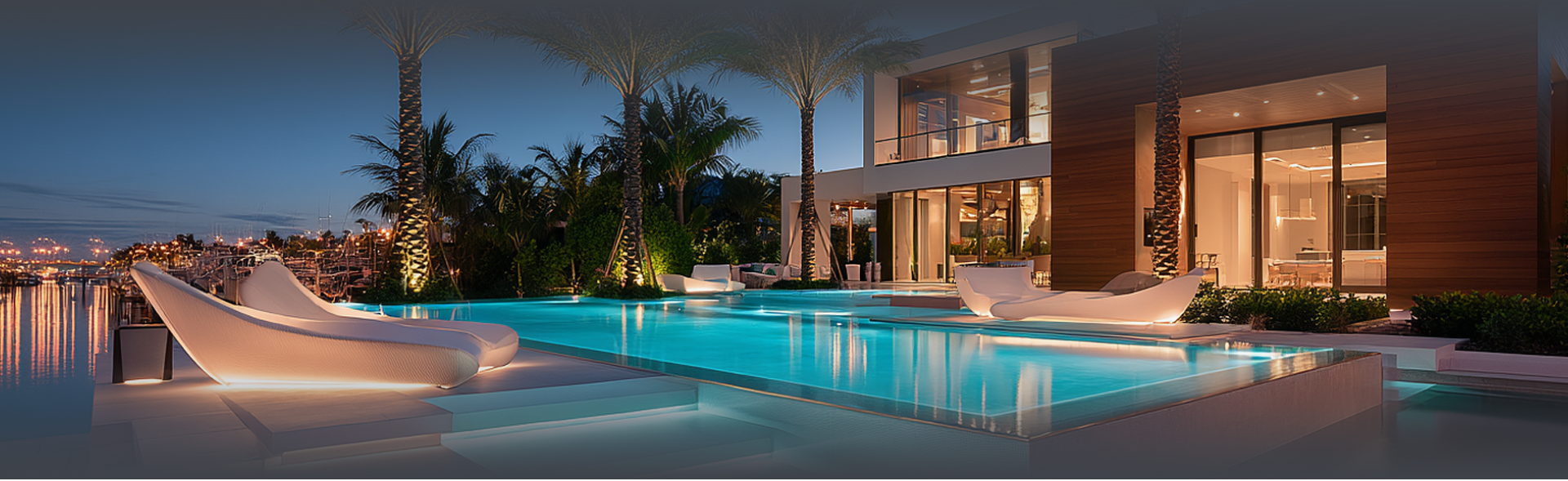


Pool LED Lighting

Pool LED lighting means replacing old incandescent or halogen pool lights with low-voltage, energy-efficient LED fixtures that change color, run longer, and use far less electricity. Homeowners choose this service when lights flicker, burn out often, the color looks weak, or when they want modern color options for night swimming, entertaining, or safety around the pool deck.
Good lighting does more than look nice. It improves visibility for swimmers, highlights steps and shallow areas, and makes the whole yard more inviting after dark. A technician will match the right fixture and transformer to your pool type and show you practical options, so the new setup works reliably and gives the mood and visibility you want. Factors like fixture type, control options, and accessibility affect the install, so a quick on-site estimate is the best next step.
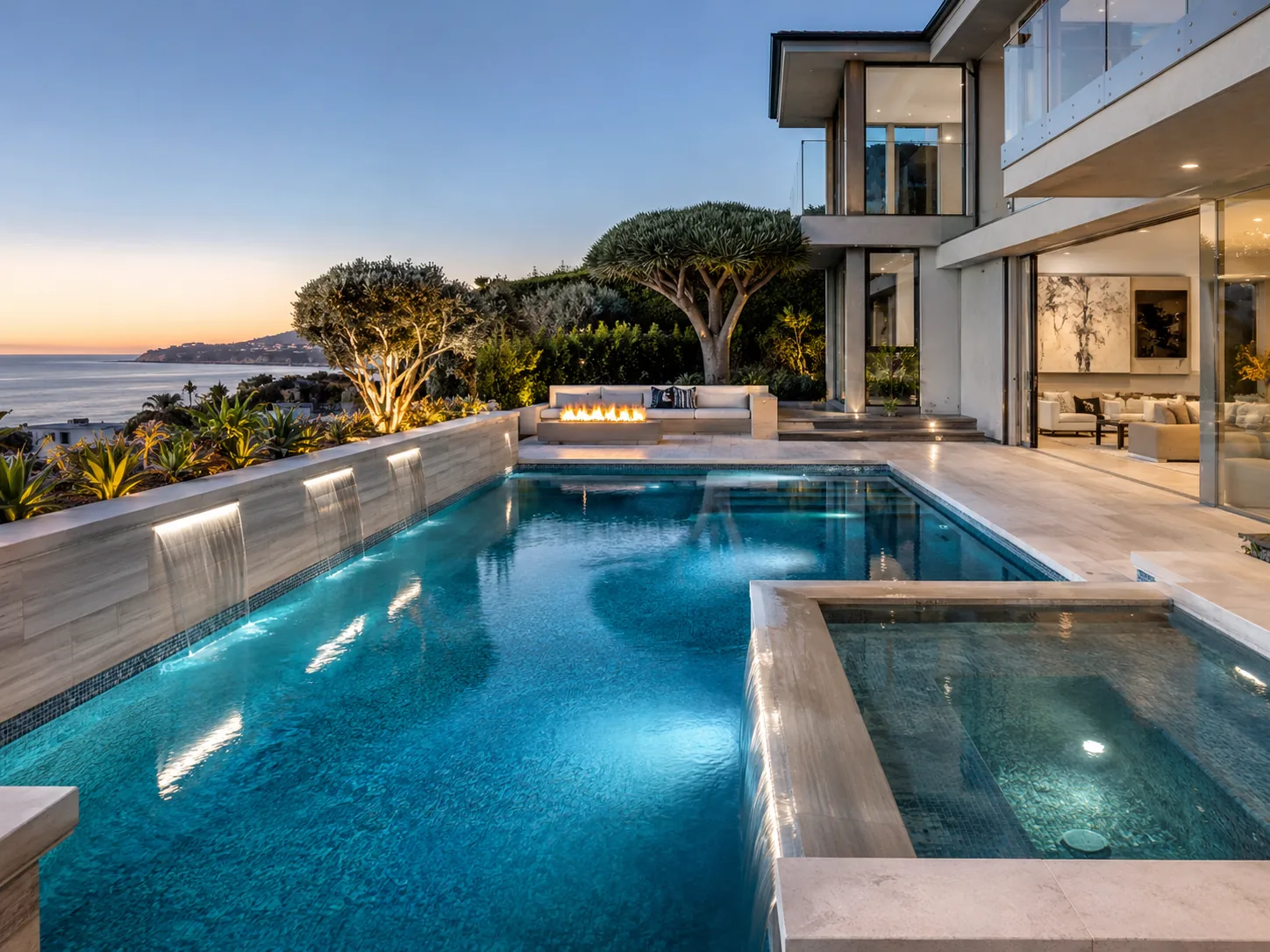
Lighting Options That Match How You Use Your Pool
If you want bright, clear swim visibility, choose white or cool-tone LEDs aimed at steps and shallow areas. Those fixtures render water color naturally and cut glare, so you can see depth changes and toys at night. We often recommend a mix: brighter whites for safety zones and softer colors for the main basin.
For entertaining, RGB or color-changing LEDs give the biggest impact. Pick presets that match backyard parties—slow fades for relaxed evenings, punchy colors for gatherings, and synchronized scenes with landscape lights. Many clients like remote control or app setups so the host can change the mood without leaving the group.
If low maintenance and energy savings matter most, single-color warm LEDs are a good choice. They draw less power and avoid the extra wiring and controls that color systems require. Homeowners with older pools often swap to warm whites to reduce bulb changes and keep water looking inviting after sundown.
Accessibility and future servicing shape fixture choices too. Surface-mount lights are easier to replace than niche-recessed fixtures in deep steps. Tell the specialist if you need pool lighting that’s simple to service or that works with a smart home hub, and they’ll match fixtures and controls to those goals.
How a Pool LED Light Installation Works
First we inspect the existing fixture, niche, and conduit to see what fits without cutting new tile or shell. A technician checks whether the pool has a wet-niche or dry-niche light, measures the niche depth, and confirms the cable path from the light to the transformer. That quick review tells us if we can swap in a like-for-like LED or need a retrofit housing and slightly different wiring.
Next we size the transformer and control method to match the new LEDs and your preferences. Low-voltage LED fixtures often need a different transformer or an LED-compatible driver for consistent brightness and color. If you want color control, we’ll plan for either a DMX-style driver, a wireless controller, or a dedicated app-controlled transformer depending on how you intend to use scenes and timers.
Installation itself focuses on secure electrical fit and watertight connections. The crew mounts the fixture or retrofit housing, runs the low-voltage cable through the conduit, and seals the niche per manufacturer specs. We pressure-test the niche water seal and power up the light with the chosen control, so you see exactly how colors and zones perform before the job is wrapped.
After testing, the specialist explains what we checked and shows basic controls so you can operate scenes and timers. We point out any access issues that might make future service harder, like buried conduit or awkward niche placement. That way you get predictable light performance and fewer surprises when a bulb or driver needs attention later.
Important Safety Checks Before New Lights Go In
Before we install new LED fixtures, we run a focused safety checklist around the pool’s electrical path. The crew confirms whether the transformer location is dry and ventilated, inspects conduit for corrosion or water intrusion, and checks that the existing niche seal hasn’t crept or cracked. Those basics tell us if an otherwise simple swap could hide a dangerous leak or faulty ground that needs repair first.
We also test the low-voltage wiring under load to spot voltage drop or intermittent connections. LEDs are sensitive to under- or over-voltage, and a failing cable or loose splice shows up immediately on a bench test. If the wiring runs through tight or buried conduit, we note accessibility and recommend corrections before powering new drivers.
Seals and gaskets get special attention because a wet niche ruins LED drivers fast. The specialist inspects the niche face, checks the bonding and ground continuity, and pressures the niche if there’s any doubt. When we find worn gaskets or improper bonding, we fix or replace those items so the light stays watertight and the driver isn’t at risk.
Finally, we verify the control and transformer match the LEDs’ requirements. Color systems and dimming drivers need compatible signal types and grounding to work reliably. If a mismatch appears likely, the contractor will outline safe upgrade options so the lights perform without flicker or electrical hazards.
Signs Your Current Pool Lights Are Ready for an Upgrade
If your pool lights flicker when the pump cycles, that’s a clear sign LEDs will help. Flicker often means the transformer or driver can’t keep steady current for modern LEDs. Frequent bulb burnouts, dimming over time, or colors that fade to blue instead of the selected hue also point to aging halogen fixtures or incompatible power supplies. Those symptoms usually show up during normal evening use, not just right after installation, so they’re worth checking sooner than later.
Outdated fixtures with cracked bezels or rusty niches are another red flag. Water intrusion corrodes wiring and destroys LED drivers fast. You might notice a halo, cloudy lens, or corrosion stains on the pool wall. In those cases we replace the fixture and repair the niche to avoid repeat failures after the LED swap.
If you want richer color control or synchronized scenes but your pool uses a single-voltage transformer, consider an LED upgrade. Modern RGB and color-tuning LEDs need compatible drivers and slightly different wiring. Homeowners who tell me they want app control, soft fades, or party modes usually discover their old electrical setup can’t support those features without an equipment change.
Finally, think about accessibility and maintenance when you choose to upgrade. Fixtures that are easy to pull from the niche save time and future costs. If the current lights sit deep in steps or behind tile, replacing them now avoids a harder job later. A quick on-site check will confirm whether a simple swap or a small retrofit is the right move.
What Can Affect Your Pool LED Lighting Estimate
Fixture type is the first thing that changes an estimate. Recessed niche LEDs that drop into an existing housing cost less to fit than full retrofit housings. Color-changing RGB fixtures add cost because they need compatible drivers and sometimes extra signal wiring. Tell the specialist whether you want single-color, tunable white, or full RGB so the quote reflects parts and control gear, not a guess.
Pool shape and surface materials matter next. Irregular or shallow niches, tiled benches, and custom steps often require minor tile cuts or specialty trim rings. Concrete or gunite pools with thick shell can hide conduit paths, which slows down the job and raises labor time. Vinyl liners and spillover systems usually need a different sealing approach, and that shows up on the estimate as an access or gasket allowance.
Access and electrical readiness affect time and parts. If conduit is buried or the transformer sits in a cramped closet, the crew may need extra hours or to relocate the driver to a ventilated spot. Old transformers that aren’t LED-compatible or missing grounding require replacement for reliable color and dimming. Also tell us if you want app or smart-home control; wireless controllers often add a line item for the compatible transformer or control module.
Finally, existing equipment and desired controls shape the final price. Matching new LEDs to an old multi-tap transformer can work, but it limits color depth and dimming smoothness. When we spot corroded niches, worn gaskets, or borderline wiring during the on-site look, we quote those repairs separately so you don’t get surprise breakdowns later. The clearest next step is an on-site estimate so the contractor can see niches, conduit runs, and the transformer before giving a firm number.
Get a Pool LED Lighting Estimate
An on-site estimate for Pool LED Lighting lets a specialist match fixtures, drivers, and controls to your exact pool. A quick walkaround shows niche sizes, transformer placement, and any access problems that change the parts list. That way the quote covers the lights and the real work needed, not a guess based on photos or memory.
Bring notes about how you use the pool and what you want from the lights. Tell the technician if night swimming safety matters most, or if you want app control and party scenes. Those preferences affect the driver choice and whether we plan additional signal wiring or a different transformer location.
During the visit we’ll point out simple trade-offs you can choose then and there. For example, you can pick single-color warm whites to cut maintenance, or RGB fixtures if you really want scene-sync with the patio lights. The specialist will mark any niche or wiring fixes on the estimate so you see which items are optional and which are needed for reliable operation.
Ready to get a realistic estimate? Schedule a short on-site visit and we’ll inspect niches, check transformer readiness, and leave you with a written plan that matches your lighting goals. There’s no pressure, just a clear scope so you can decide with confidence.
Frequently Asked Questions
What lighting option gives the best visibility for night swimming?
Single-color cool or neutral white LEDs aimed at steps and shallow areas give the clearest visibility. Use brighter whites for safety zones and softer whites or colors for the main basin so swimmers can see depth changes and pool toys. A specialist can recommend a mix that balances safety and ambiance during an estimate visit.
How does a Pool LED light installation typically proceed?
The technician inspects the existing niche, conduit, and transformer first to see if a like-for-like swap is possible. They then size the driver or transformer, install the fixture or retrofit housing, seal the niche, and test the lights and controls before finishing. You’ll see the chosen colors and controls working before the crew leaves.
What safety checks are done before installing new LEDs?
The crew checks transformer location, conduit condition, niche seals, and ground continuity to prevent water and electrical issues. They also test low-voltage wiring under load and pressure-test the niche if needed. Any worn gaskets, corroded conduit, or incompatible drivers are flagged for repair before powering new LEDs.
How can I tell my pool lights need an LED upgrade?
Flickering when the pump cycles, frequent burnouts, dimming over time, or colors that look wrong are common upgrade signs. Visible corrosion, cracked bezels, or water stains around the niche also mean the fixture or niche needs attention. If you want app control or synchronized scenes, that electrical setup often requires a modern LED-compatible driver.
What affects the cost of a Pool LED lighting estimate?
Fixture type, color capability, and whether you need a retrofit housing change the parts list and labor time. Pool surface, niche depth, buried conduit, transformer location, and desired control options also influence the estimate. An on-site visit is the best way to see those factors and get a written estimate that matches your goals.