


Key Takeaways About Pool Waterline Buildup
Pool waterline buildup is the band of deposits that forms where water meets the pool wall or tile. This summary is for homeowners and property managers who need quick guidance when stains appear or recur.
- Identify mineral scale by hard white or chalky crusts forming
- Prevent oily rings by skimming and brushing after heavy use
- Avoid chemical imbalance by testing pH alkalinity and chlorine weekly
- Spot organic films by soft texture and faint earthy smells
- Reduce recurrence by improving skimmer suction and return flow
- Plan professional diagnosis when stains return despite proper maintenance
Introduction
Hard, dark rings and sticky scum along the tile are common signs of pool waterline buildup. Homeowners often notice the stain band where water meets the wall and assume it is only cosmetic. Left unchecked, these deposits can etch grout, stain finishes, and become harder to remove over time. That makes addressing the root causes important for pool appearance and longevity.
Several everyday sources cause buildup at the waterline, including minerals, body oils, sunscreen, and organic debris. Changes in water chemistry and circulation patterns concentrate those materials along the pool edge. The visible result ranges from chalky white scale to oily brown rings and occasional green or black growths. Recognizing the types of deposits helps determine what to monitor and when to call a pro.
Pools in coastal climates like San Clemente, California often see faster mineral accumulation from source water and evaporation. Coastal humidity can also affect how oils and sunscreens cling to surfaces after swimmers exit the water. Local pools can benefit from steady maintenance that targets the waterline rather than occasional surface scrubbing. Routine attention reduces staining and keeps filters and tile cleaner for longer.
Professional diagnosis focuses on identifying whether buildup is mineral scale, organic film, or combined deposits. Technicians check water chemistry, inspect tile and grout, and evaluate circulation and skimmer function to confirm the cause. Knowing the origin of the stain leads to targeted maintenance plans and fewer repeat cleanings. For example, a homeowner might see a brown oily ring and a pro would then test for combined organic load and poor skimming performance.
What Causes Pool Waterline Buildup Why It Happens
Pool waterline buildup is the visible band of deposits that collects where water meets the pool wall or tile. It forms when minerals, oils, sunscreen, and debris concentrate at the surface and cling to finishes. Homeowners often ask whether buildup means the water chemistry is wrong, yes, chemical imbalance often drives faster accumulation. Identifying the mixture of materials at the line helps decide whether cleaning, chemistry adjustment, or circulation fixes are needed.
- Hard water minerals can form chalky scale.
- Body oils and sunscreen leave brown or sticky rings.
- Fine debris and dust create a gritty film.
- Poor circulation concentrates particles at the waterline.
Minerals deposit when dissolved calcium and magnesium precipitate out as water evaporates near the edge. A homeowner might notice white, rough patches that resist ordinary scrubbing. Professionals often test total alkalinity and calcium hardness to confirm mineral scaling as the cause. Adjusting those levels and lowering evaporation can slow new scale formation.
Oils and sunscreens float and then stick to tile grout once swimmers exit the pool and the film dries. This residue often appears as brown, greasy rings that attract more dirt and microbes. Regular use of a skimmer, surface cleaner, and targeted tile cleaning reduces how much film remains to harden. For routine tips, review pool cleaning basics for frequency and tools that make waterline care easier.
Circulation and skimmer placement influence where particles settle along the wall and whether filters capture them. If water returns, skimmer suction, or pump flow are weak, floatable contaminants linger at the perimeter. A professional diagnosis checks pump flow, skimmer lip condition, and filter pressure to confirm circulation problems. Simple fixes like adjusting return jets or cleaning a clogged skimmer basket often reduce visible buildup quickly.
In a common situation, a homeowner in Laguna Niguel, California sees a thin dark ring after weeks of heavy use and suspects staining. A technician would inspect the tile, test chlorine and pH, and check filter readings to identify organic film plus mild scaling. That test-based approach shows whether to focus on cleaning, chemical correction, or replacing a worn skimmer part. For persistent issues in San Clemente, California pools, documenting the pattern and test results helps prevent repeat cleanings.
Mineral Scaling From Hard Water And When To Act
Hard water minerals like calcium carbonate form solid deposits when pool water chemistry and evaporation concentrate them near the tile. These minerals start as thin, brittle crusts and then harden into dense scale that resists ordinary scrubbing. A professional checks calcium hardness and total alkalinity with test kits to confirm mineral scaling versus other deposits. If levels read high, technicians often recommend treatment steps before mechanical removal to avoid surface damage.
Technicians also evaluate where scale forms relative to return jets and skimmers to identify circulation patterns that encourage mineral buildup. Poor circulation and strong evaporation at one wall concentrate dissolved minerals and speed precipitation onto grout and tile. A diagnostic inspection will include pump flow checks and filter pressure readings to see if water turnover is inadequate. Adjustments to return direction and routine filter maintenance often reduce new scaling.
When scaling is already thick, mechanical and chemical methods may be necessary to restore surfaces without etching tile. Professionals commonly use grout-safe descalers and non-abrasive tools, watching finish condition during the process to prevent damage. For ongoing prevention, combine targeted cleaning with consistent balancing and monitoring, detailed in routine pool cleaning and chemical balancing guidance. Homeowners in Laguna Niguel, California should consider periodic professional checks if source water hardness is high.
Deciding when to act depends on how fast the deposit grows and whether it affects finishes or circulation performance. If scale chips grout, narrows skimmer openings, or forces frequent filter backwashes, schedule professional service to diagnose underlying chemistry and equipment causes. In San Clemente, California pools exposed to heavy use or high evaporation may require earlier intervention to protect tile. A written report of chemical readings and visible damage helps plan treatment and prevents repeat buildup.
Oils Sunscreen And Body Residue Impact On Surfaces
Oils, sunscreens, and bodily lotions spread across the pool surface and then cling at the waterline as the film dries. These substances form a thin, sticky layer that traps dirt and pigments, making stains darker and harder to remove. When swimmers use high-SPF or oil-based products, the residue tends to be thicker and more persistent on tile grout. Homeowners who notice a brown or greasy band should address the source before scrubbing repeatedly damages the finish.
Chemical cleaners alone often fail when the deposit mixes oils with organic matter, because surfactants need to break up the film first. A professional would inspect the tile finish and perform a surface wetting test to see how readily water spreads over the residue. They may also check sanitizer and combined chlorine levels to rule out chloramine-driven films that bind oils to the surface. These diagnostic steps guide whether cleaners, enzyme treatments, or mechanical agitation will work best.
Routine skimming and targeted tile cleaning remove much of the floating film before it settles at the line, and improving skimmer function often reduces repeat buildup. Technicians commonly check skimmer baskets, return jet direction, and pump flow during diagnosis to quantify circulation shortcomings. For pools in Laguna Niguel, California, heavier sunscreen use during peak months can increase how often tile needs attention. Simple operational changes often cut cleaning frequency in half with minimal equipment changes.
Enzyme-based cleaners and non-abrasive pads typically lift oil-based rings without etching tile, but test a small area first to protect finishes. If oils are recurrent despite good maintenance, professionals may recommend educating frequent users about rinsing off before entry. For guidance on maintaining balanced water to reduce film adhesion, review water chemistry testing and balancing resources and consider periodic professional monitoring in San Clemente, California pools. Consistent tactics prevent stubborn stains and preserve tile appearance over time.
Debris Algae And Organic Film Formation Explained
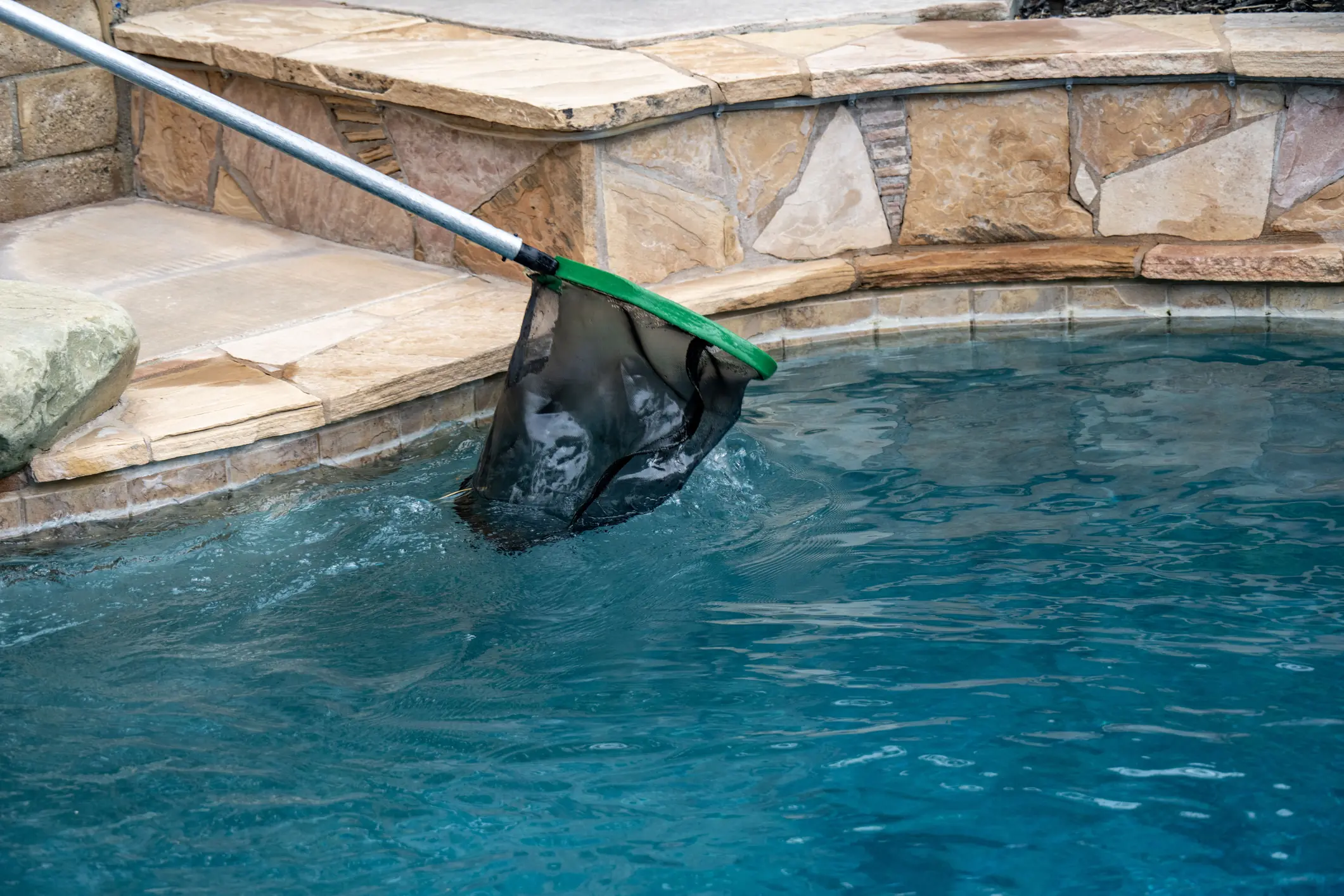
Fine leaves, grass clippings, and airborne dust settle into the thin oily film at the waterline and feed microbe growth quickly. Left undisturbed, that organic layer darkens and forms a slimy biofilm that resists simple scrubbing. A visible soft texture and a faint earthy smell often mark early stages before hard stains appear on grout. Professionals look for this smell and texture during an inspection to decide if enzymatic cleaners are needed.
- Remove floating debris daily.
- Brush the waterline weekly.
- Use enzyme treatments for organic films.
- Improve skimmer flow to capture particulates.
During diagnosis, a technician checks skimmer suction, return jet alignment, and filter pressure to find circulation weak points. They will also collect a small surface swab to confirm organic loading and presence of algae visually. A simple chlorine residual test and pH reading help determine if sanitizer levels allowed microbial growth. These checks guide whether mechanical removal or chemical treatment comes first.
Algae spores attach to the organic film and can develop into green or black streaks along grout if left untreated. Visible soft patches that smear when touched usually indicate algae presence rather than mineral scale. Professionals use a splash test and inspect grout porosity before selecting algaecide or enzymatic protocols. For consistent results, document test readings and cleaning steps to track recurrence.
Regular debris removal and targeted waterline cleaning reduce organic film formation and lower long-term staining risk. Homeowners can learn effective weekly practices from resources like weekly cleaning and debris removal to cut maintenance time. In Laguna Niguel, California pools with nearby landscaping, extra skimming reduces load on the filter and the waterline. In San Clemente, California, quick attention to floating debris after windy days prevents rapid organic buildup and staining.
Chemical Imbalances Driving Stains And Deposits
Chemical imbalances change how stains form by altering surface charge and mineral solubility, which affects adhesion at the waterline. Low pH makes metals and dyes more likely to leach and settle on tile and grout. High pH encourages calcium carbonate to precipitate as scale on surfaces near the edge. Testing pH and stabilizer levels helps predict which staining pathway is active.
Chlorine problems also influence deposit behavior because low free chlorine allows organic films to persist and bond to surfaces. High combined chlorine or chloramines can create sticky films that trap particles into darker rings. A technician measures free and combined chlorine to determine whether shock treatment or breakpoint chlorination is needed. Accurate measurements guide safe dosing without over-chlorinating the pool.
Metal ions from source water, such as iron or copper, oxidize and leave colored stains when chemistry shifts, especially after pH or alkalinity swings. A pro would run a metal test and check calcium hardness along with alkalinity to confirm metal staining risk. They may also inspect the pool finish and take photos or water test readings for a written report. Preventing metal precipitation often requires sequestrants and gradual pH correction.
Poor filter performance increases chemical imbalance effects by allowing fine particulates to recirculate and raise stain potential at the line. Regular filter maintenance matters for chemistry control, and technicians recommend following proper schedules for cleaning and backwashing. For guidance on maintaining filtration to limit buildup, review filter cleaning and backwashing procedures to reduce particulate return. Attention to the filter reduces repeat staining and supports stable water chemistry.
A professional diagnosis combines visible cues, water testing, and equipment checks to confirm chemical-driven deposits rather than only organic or oil films. They inspect skimmer suction, return jet direction, and filter pressure while recording pH, alkalinity, hardness, and metal readings.
Warning Signs Of Serious Pool Waterline Damage
Persistent grout erosion, flaking tile glaze, or horizontal grooves at the edge signal damage beyond surface staining and need prompt attention. These defects often appear where scale or biofilm repeatedly bonds then is aggressively scrubbed, causing gradual material loss. A technician inspects grout depth, records photos, and may use a small chisel to test for loose grout during diagnosis. If left untreated, damaged grout allows water behind tile and increases repair scope and cost.
Visible pitting in plaster or dull, rough patches across several feet indicate chemical attack rather than simple deposits, and this requires material assessment. Professionals measure surface hardness and review long-term pH and alkalinity records to confirm repetitive corrosion. They may take close-up photos and compare readings to recommend either localized resurfacing or partial replastering depending on extent. Homeowners in Laguna Niguel, California should consider documenting damage progression before deciding on repairs.
Cracked tile or grout lines that widen near skimmer zones often mean movement or freeze-thaw stress combined with chemical wear, necessitating structural evaluation. A technician checks the bond by probing tiles and inspects the pool shell behind the tile if necessary with small openings. Depending on findings, repair options range from replacing a few tiles to addressing substrate problems that caused tile loss. For guidance on replacing or maintaining damaged tile, review tile repair and maintenance.
Recurring discoloration that returns within days of cleaning suggests an ongoing source such as metal corrosion, persistent organic load, or equipment faults that reintroduce contaminants. Diagnosticians run metal tests, examine heater and pump components for corrosion, and check skimmer and return operation to trace the source. They often provide a written inspection report with photos, test data, and prioritized repair steps to fix root causes. For severe or unclear damage patterns in San Clemente, California pools, contact a professional to confirm findings and estimate repairs.
Routine Cleaning Techniques Homeowners Should Use
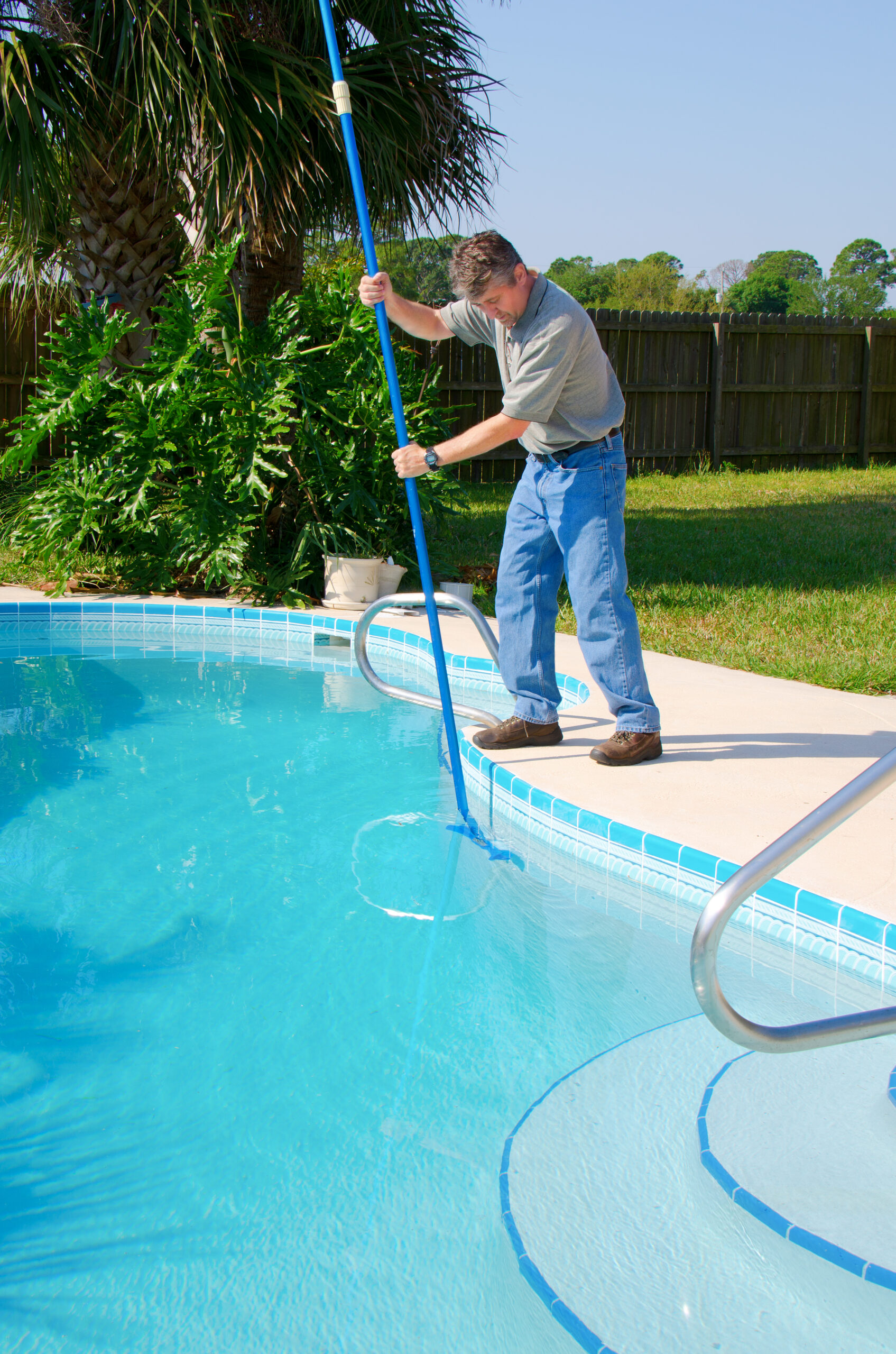
Start with a gentle, regular routine to prevent buildup from bonding to tile and grout over time. Use a soft pool brush to sweep the entire waterline at least once weekly to loosen film. Follow brushing with vacuuming or skimming to remove loosened particles before they resettle on the tile edge. Repeat more often after heavy use or windy days to keep deposits from hardening into stains.
- Skim surface daily to remove oils and debris.
- Brush the waterline weekly with a soft brush.
- Empty skimmer baskets after heavy use.
- Backwash or clean filters per manufacturer guidance.
For stubborn rings, try a non-abrasive tile cleaner applied with a soft pad to avoid scratching the finish. Test cleaners on a small hidden area before full application to check for finish sensitivity or discoloration. If mineral scale resists light cleaning, consider professional tile bead blasting to restore tile without aggressive chemicals or etching. Professionals also monitor whether the tile finish tolerates mechanical cleaning before proceeding with stronger methods.
Maintain consistent water chemistry to reduce new buildup formation by checking sanitizer, pH, and alkalinity weekly. Adjusting return jets and ensuring positive skimmer suction helps capture floatable contaminants before they cling to the waterline. Keep a simple log of when you clean, chemical readings, and visible changes to spot recurrence trends early. If rings return quickly despite good routine care, schedule a professional inspection for diagnosis and targeted treatment in Laguna Niguel, California and San Clemente, California pools.
When To Call A Professional For Waterline Buildup
If stains return quickly despite diligent weekly care, schedule a professional inspection to identify persistent sources and proper corrective measures. A technician will perform water tests, inspect skimmer suction, and evaluate return jet direction to locate the recurrence point. They may recommend targeted treatments rather than repeated homeowner scrubbing that risks finish damage. In Laguna Niguel, California homeowners often find documentation of recurring rings useful when deciding on deeper interventions.
When deposits have hardened into thick scale or have etched grout, a pro can recommend safe removal methods that protect finishes and underlying substrates. Options include controlled chemical descalers or mechanical processes performed by trained crews to avoid surface damage. For extensive surface restoration where cleaning cannot safely remove deposits, professionals sometimes advise an acid wash or bead blasting as a last-resort option. Learn more about that process in the acid wash and bead blasting guidance.
Call a professional right away if you notice grout loss, plaster pitting, or rings that return within days of cleaning despite balanced chemistry. Technicians will document visible damage with photos and test results, then provide a written plan and prioritized steps for repair. They also check equipment such as pump flow and filter performance to stop recontamination at the source. This approach reduces repeat service and protects the pool finish long term.
For medium-risk situations or homeowner uncertainty, arrange a diagnostic visit to get clear readings and recommendations before attempting stronger treatments. A professional visit typically includes water sampling, pressure gauge checks, and a photographed condition report to guide action. If metal staining or severe mineral buildup appears possible, the technician will test for metals, hardness, and alkalinity. In San Clemente, California pools, that diagnostic record helps plan seasonal maintenance and avoid unnecessary surface work.
Frequently Asked Questions
What causes pool waterline buildup on tile and grout?
Pool tile and grout accumulate a mix of calcium and other minerals when hard water evaporates at the waterline. Body oils, lotions, and sunscreen form a sticky film that traps dirt and promotes staining. Changes in pH, alkalinity, or sanitizer levels encourage scale or biofilm growth along grout joints. If buildup resists normal cleaning, use caution and consider hiring a pool professional to avoid surface damage or chemical hazards.
How do minerals vs oils show at the waterline?
Mineral deposits at the pool waterline usually appear as hard, whitish or tan crusts that resist light scraping. Oils and lotions form a softer, greasy film or rainbow sheen that smears when you rub it with a cloth. Minerals often return after brushing if water chemistry remains off, while oils reappear quickly with heavy swimmer use. If buildup seems unusually thick or causes surface damage, use caution and consider hiring a professional for diagnosis and safe removal.
Can poor circulation increase waterline deposits?
Poor circulation concentrates minerals, oils, and sunscreen at the waterline, which speeds visible pool waterline buildup. Stagnant areas let debris and organic film adhere to tile and liners more easily. A technician will inspect pump flow, skimmer function, and return jets to confirm circulation problems. If you suspect a pump or plumbing issue, stop pool use and contact a professional for safe diagnosis and repair.
When should I call a pro for recurring waterline rings?
Call a professional if waterline rings return within weeks despite regular brushing and balanced chemistry checks. A pro can test total alkalinity, calcium hardness, and chlorine levels to find persistent causes. If stains resist cleaning or the surface etches, stop using harsh chemicals and schedule an inspection because surfaces can weaken. If you notice unusual odors, skin irritation, or cloudiness, exercise caution and get a technician to diagnose and treat the pool.
Which cleaning steps remove oily or organic rings?
Start by skimming loose debris and brushing the waterline with a soft nylon brush to loosen oily film and organic residue. Apply a non-chlorine, enzyme-based waterline cleaner or a mild household cleaner designed for pools, following label directions and avoiding strong acids. Rinse the area with pool water using a low-pressure hose or the pool return to wash away loosened material, then vacuum or backwash as needed. If rings resist cleaning or you notice staining, exercise caution and call a pool professional to avoid damaging tile or finish.