


Key Takeaways About Pool Filtration
Pool filtration removes particles and contaminants so water stays clear and safe. This summary is for homeowners and property managers who notice flow or clarity problems and need quick action steps.
- Identify weak returns noisy pump sounds or high pressure readings quickly.
- Prevent debris build up by emptying skimmer baskets after storms.
- Avoid damaged pump parts by inspecting impeller and seals regularly.
- Spot biological loading and oil films that clog filter media early.
- Reduce energy use with longer low speed pump cycles when possible.
- Plan professional inspection when basic cleaning does not restore flow.
Introduction
A pool that looks clear can still suffer when the filtration is underperforming. Reduced water flow, cloudy spots, or odd pump noises often point to filtration issues. Homeowners may notice more frequent algae growth or poor chemical balance as a result. In San Clemente, California properties these signs can mean higher operating costs and more time spent troubleshooting.
Filtration problems usually stem from a few common causes rather than one mysterious fault. Clogged skimmer baskets, a tired pump, or a dirty filter all reduce effective turnover. When water cannot move through the filter properly, contaminants stay in the pool longer. In Oceanside, California pools that sit unused can show these issues faster during seasonal changes.
Understanding the real problem matters because poor filtration affects health and equipment life. Swimmers can be exposed to higher bacteria counts and skin or eye irritation. Meanwhile the pump and heater may strain and fail sooner without steady flow. Detecting reduced flow early limits chemical use and prevents bigger repairs.
Homeowners should expect practical checks and clear next steps when addressing filtration performance. A professional inspection looks at pump pressure, valve positions, and visible filter condition. Photographs and pressure gauge readings help confirm the diagnosis and inform repairs. If problems persist, contacting professional pool service from Stillwater Pool Concierge can restore dependable circulation and filtration.
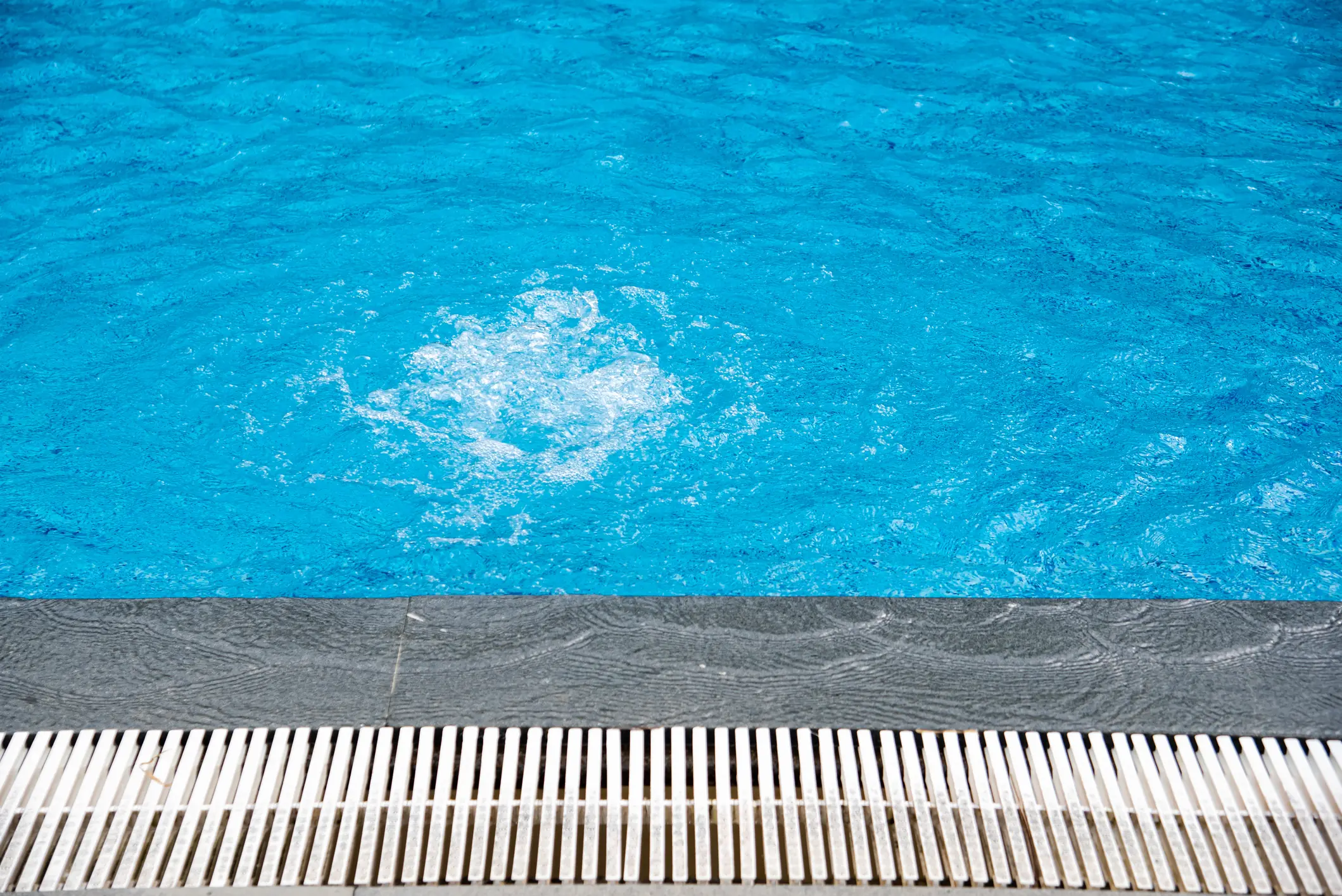
How Pool Filtration Works And Why It Matters
Pool filtration is the mechanical process that removes particles and contaminants from pool water using pumps and filters. It plays an important role in maintaining pool water quality and managing the prevalence of microbes in filter backwash by capturing debris, organic matter, and microorganisms that may accumulate in the filtration system.
- Water moves from the pool through the skimmer and main drains.
- The pump pulls water into the filter media where particles are trapped.
- Clean water returns to the pool through returns and jets.
- Regular turnover keeps contaminants from building up between cleanings.
Filtration matters because it directly affects water clarity, chemical stability, and swimmer safety every day. Homeowners often ask how long turnover should take, and typical residential pools aim for one complete turnover every 8 to 12 hours. Poor turnover lets organics and metals accumulate, which raises sanitizer demand and increases cloudiness. A common homeowner question is whether cloudy water always means filter failure, and often it signals reduced filtration or circulation instead.
A filter’s job depends on three parts: skimmer/pump, filter media, and return lines working together. Inspecting pump suction, checking the pressure gauge, and watching return flow are basic diagnostic steps a pro uses. A technician may record pressure readings, inspect cartridge pleats, or check sand depth to confirm the problem. If you see weak returns, listen for cavitation sounds at the pump or watch a pressure rise that does not drop after cleaning.
Good filtration reduces chemical use and extends equipment life by removing debris before it reaches heaters and chlorinators. For routine upkeep homeowners should know when to clean or backwash filters and when to call for service.
Recognizing Reduced Water Flow And When To Act
Watch for obvious signs of reduced flow like weak return jets, a noisy pump, or slower skimmer suction when the pump runs. A sudden drop in return strength often follows heavy debris or a blocked suction line. If you hear cavitation or irregular grinding from the pump motor, shut it off and investigate. In some cases pump wear causes poor flow even when plumbing is clear.
Check the pump lid and basket for visible blockages and ensure all multiport valves are fully seated in normal positions. A professional will also read the pump and filter pressure gauges to compare against expected values. Technicians use pressure readings, flow observations, and simple dye tests at returns to find hidden suction leaks. These steps confirm whether reduced flow comes from plumbing restrictions, pump failure, or filter loading.
Minor flow reductions can often be fixed by cleaning baskets, clearing visible clogs, or backwashing a sand filter. If the pump shows low flow despite clear plumbing, the impeller or motor may need inspection or replacement. Homeowners considering a pump swap can review options such as energy-efficient variable-speed units on the company’s pump replacement page. Replacing a worn pump usually restores proper turnover and lowers long-term energy use.
For properties in Oceanside, California and San Clemente, California, act quickly when flow drops to avoid algae growth or equipment stress. A professional inspection includes inspecting valves, testing pressure, and photographing problem areas for a clear report. If diagnostics point to worn components, a technician can provide a written recommendation and next steps. Contact a trained pool service professional when basic checks do not restore steady flow.
Debris Types That Clog Filters And Why They Occur
Leaves, pine needles, and grass clippings commonly wedge into skimmer throats and bypass coarse filter media, reducing effective pool filtration quickly. Fine organic debris such as pollen and sunscreen oils pass through skimmers and load cartridge pleats or trap in DE grids. Small pebbles, seed pods, and persistent sand enter through returns or damaged liners and abrade pump seals and impellers. Homeowners noting gritty residue in skimmer baskets should remove it before it reaches the pump housing.
Algae and biofilm form when filter media cannot capture microscopic organics, causing soft clumps that cake onto pleats and DE fingers. These biological deposits block flow and change pressure readings without large visible debris present. Backwashing or chemical soaking may not clear entrenched biofilm, so physical inspection of the media matters. A technician can swab the media and inspect pleats to confirm biological loading.
Oil and lotions create a slimy coating on sand and cartridge surfaces that reduces filtration efficiency and encourages trapped debris to re-enter the pool. This film may appear as a sheen on skimmer water or as sudden microclouds after swimmers use the pool. Regular pre-filtering with skimmer socks or running a clarifier helps, but persistent contamination often requires a deep clean. For mechanical issues caused by trapped grit or degraded seals, consider pump repairs after cleaning, and review pump condition at a pump motor servicing appointment.
Leaves and large debris cause immediate clogging, while fine dust and windblown sand slowly coat media and raise pressure over weeks. A professional diagnosis uses pressure gauge trends, visual media checks, and flow testing at return jets to locate the dominant clog source. Technicians may remove cartridges, inspect DE grids, or measure sand depth to recommend cleaning or replacement. For properties in Oceanside, California and San Clemente, California, quick removal of the common debris types described prevents recurring strain on pumps and filters.
Inspecting And Cleaning Skimmer And Pump Baskets
Start by shutting off the pump and relieving lid pressure before removing skimmer and pump baskets to avoid suction hazards. Inspect baskets for tears, brittle plastic, and lodged debris that can bypass the impeller and damage seals. Rinse baskets with a hose, using a nozzle to flush compacted leaves and small grit from the weep holes and ribs. Reinstall baskets so lids seat evenly to maintain proper skimmer suction once the pump restarts.
- Empty baskets after heavy storms.
- Inspect baskets weekly during heavy use.
- Replace cracked baskets promptly.
- Check weep holes for blockages.
- Keep a spare basket on hand.
While baskets are out, visually check the pump strainer housing and the impeller through the access port for lodged debris. Small stones or persistent sand can abrade the impeller and reduce flow, so remove visible grit carefully with pliers or a shop vacuum. If you find hair or stringy material, clear it from the diffuser and volute to prevent future clogging. Note any damage and record photos and notes for a professional diagnosis if repairs look likely.
After cleaning, restart the pump and observe suction at the skimmer and strength at return jets to confirm improved flow. Listen for reduced cavitation or smoother motor sound as indicators that baskets and the strainer are no longer restricted. If pressure gauges still read high or returns remain weak, a technician will inspect valve positions, suction lines, and the impeller to confirm the fault. For equipment repair or parts replacement, consider scheduling an inspection through the pool equipment services page to get a documented assessment.
For homeowners, frequent litter from local trees or landscapes may demand tighter basket checks during peak seasons. A professional can perform a written inspection, take pressure readings, and test flow to confirm whether baskets are the only cause. If the issue is deeper in the pump or plumbing, a service tech will outline necessary repairs and expected next steps. Acting on early signs reduces pump wear and keeps pool filtration running closer to design performance.
Cartridge And Sand Filter Maintenance How To Decide
Deciding between cartridge and sand filters starts with matching filter type to your pool size and debris load. Cartridge filters trap fine particles in pleats and need periodic rinsing and occasional chemical soaking for oils. Sand filters remove coarser debris and require regular backwashing and seasonal sand replacement to maintain capture efficiency. Inspect the filter housing for cracks, clamp seals, and consistent pressure gauge behavior before choosing a maintenance path.
Check differential pressure across the filter to decide on cleaning versus media replacement, a steady rise signals loading or channeling in sand systems. For cartridges, remove and inspect pleats for fraying, collapse, or persistent staining that resists soaking solutions. A professional will measure flow rates, observe return jet strength, and compare pressure readings against baseline values to confirm whether media cleaning will restore performance. Technicians may also record these findings in an equipment inspection report for future reference.
Consider swimmer usage and chemical load when planning maintenance frequency, pools with heavy bather loads or frequent sunscreen use need more frequent cartridge cleaning. Sand filters tend to tolerate large leaf loads but can channel if the sand grains cement or form paths around the lateral assembly. In both systems, check valves, multiport valve positions, and the condition of laterals or cartridge end caps during the inspection. For documented evaluations and maintenance planning, review the company’s equipment inspection and maintenance page for common checklist items.
When repairs or upgrades look likely, factor in media cost, time out of service, and potential pump strain from clogged media before deciding. A technician may perform a simple flow test with the pump and note whether backwashing or a deep cartridge soak returns flow to expected values. Homeowners in Oceanside, California often prefer cartridge replacements for clarity in small pools, while properties in San Clemente, California with heavy yard debris sometimes retain sand filters with tighter maintenance. If you want scheduled upkeep and predictable checks, consider enrolling in weekly service for consistent filter care and monitoring.
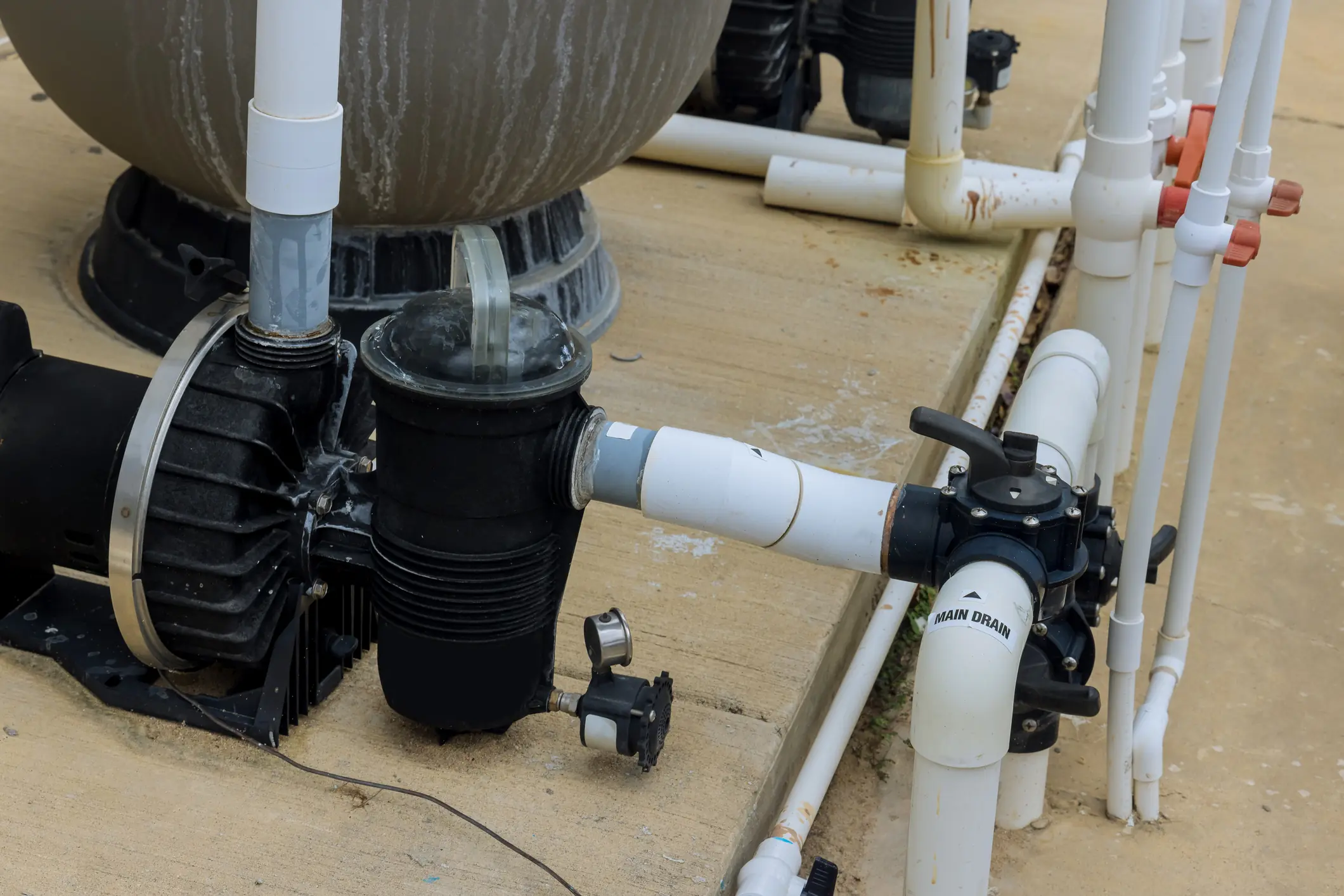
Optimizing Circulation And Pump Run Time For Efficiency
Good circulation starts with balanced suction and return flows so water passes evenly through the filter media. Adjust return eyeballs and check main drain flow to reduce dead zones where debris settles. A technician often measures flow at returns and compares pump amperage and pressure gauge readings to confirm circulation problems. For many homeowners, small changes to return direction restore even flow without replacing equipment.
Run time affects both filtration effectiveness and energy costs, so set schedules to complete at least one full turnover daily. Use pump run timers or a variable-speed drive to match run time with pool usage and debris load. Professionals diagnose optimal run time by recording turnover duration, pump speed, and measured flow during different settings. Adapting schedule after heavy use or storms improves clarity while limiting wasted energy.
Variable-speed pumps allow lower speed operation for longer periods, which often filters finer particles more consistently than short high-speed runs. A technician will test speeds, read pump wattage, and recommend a speed profile that keeps pressure stable and returns steady. Longer low-speed cycles reduce strain on the pump and let the skimmer capture surface debris more effectively. Many homeowners see clearer water and lower operating noise after switching to extended low-speed cycles.
For regular debris removal and to maintain the circulation plan, consider professional weekly cleaning that includes basket emptying and flow checks. A service technician documents pressure trends, records any valve issues, and adjusts run times based on observed conditions. Homeowners in Oceanside, California and San Clemente, California often find scheduled maintenance reduces emergency calls and keeps pool filtration working reliably. Learn more about scheduled upkeep and debris removal on the company’s weekly cleaning and debris removal service page.
Chemical Balance Effects On Filtration And When To Test
Chemical imbalance can change how well pool filtration captures particles and controls algae growth. Low sanitizer levels let organics reproduce faster, which increases filter load and clogs media sooner. High pH reduces sanitizer effectiveness and may leave scale or cloudy deposits on cartridge pleats or sand grains. Test chemistry after heavy use or visible cloudiness to prevent prolonged media loading and equipment strain.
- Test sanitizer levels weekly.
- Check pH and total alkalinity regularly.
- Measure calcium hardness seasonally.
- Monitor cyanuric acid for outdoor pools.
When tests show persistent high combined chlorine or low free chlorine, filtration alone cannot restore clarity. A professional will inspect filter media, read pressure gauges, and take water chemistry samples to correlate results. They may run a simple turbidity check and compare return flow to expected turnover during diagnosis. This approach confirms whether you need shock treatment, filter cleaning, or equipment repairs.
For homeowners who prefer hands-on care, use a reliable test kit and keep a written log of readings and actions taken. Record free chlorine, pH, alkalinity, and any shock or clarifier doses with dates to track trends. If readings swing widely despite corrective dosing, schedule a professional chemistry analysis and filter inspection. Properties in Oceanside, California and San Clemente, California often benefit from combined chemistry testing and physical media checks to stabilize pool filtration performance.
When To Call Stillwater Pool Concierge For Service
If you notice recurring poor filtration despite correct chemistry, schedule a professional inspection to determine root causes. A technician will visually inspect the pump, measure pressure gauges, and test flow at returns. They may also run a simple dye test to check for hidden suction leaks or plumbing issues. Documented findings and clear recommendations come with every inspection to guide next steps.
Call for service when noisy operation, persistent cloudy water, or repeated high filter pressure appear after routine cleaning. The service visit includes checking impeller condition, examining pump seals, and testing electrical connections like the GFCI and breaker. If components show wear or corrosion, the technician can provide a written repair plan and estimated parts needed. This helps homeowners decide on repair versus replacement with confidence.
Request help when you suspect internal filter damage or media breakdown that cleaning does not fix within normal maintenance cycles. A professional will remove cartridges or inspect sand laterals and DE grids for tears, channeling, or calcification before recommending media replacement. They use pressure readings, photos, and flow tests to confirm whether media replacement will restore expected filtration performance. For more extensive equipment work, consider the pool equipment repair and upgrades options available.
Schedule service sooner if you experience intermittent flow, electrical tripping, or visible leaks near fittings and unions that affect pool filtration reliability. Technicians trace leaks, test valve seating, and inspect union o-rings and threaded fittings to locate faults without unnecessary replacements. For properties in Oceanside, California a prompt call limits algae risk during warmer months. Homeowners in San Clemente, California often prevent costly pump damage by addressing these symptoms early with professional care.
Frequently Asked Questions
What are the first signs my pool filtration is failing?
You may notice cloudy or green water even after chemical treatments, a common early sign of poor pool filtration. Falling water level or slow skimmer suction often shows reduced flow from clogged pumps or filters. Watch for unusual noises from the pump, rising filter pressure gauge readings, or frequent backwash cycles. If you suspect mechanical failure or see electrical smells or leaks, stop the system and call a professional for inspection.
How often should I clean skimmer baskets and pump strainer?
Clean skimmer baskets and the pump strainer at least once a week during heavy use or when leaves and debris increase. Inspect baskets after storms and remove trapped debris to keep pool filtration flow steady. If you hear cavitation or see low pressure, shut the pump off before clearing to avoid injury and contact a professional if unsure. For persistent clogging or damaged baskets, schedule a pool technician to inspect the skimmer, strainer, and circulation system.
Could clogged filter media cause repeated cloudy water?
Yes—clogged filter media often causes repeated cloudy water by reducing fine particle removal and lowering overall circulation efficiency. Trapped debris or compressed sand can let microscopic particles pass back into the pool. A professional can inspect the filter housing, pressure gauge, and media condition to confirm reduced flow or channeling. If you smell chemicals strongly or see rapid pressure spikes, stop use and contact a professional for safe diagnosis and service.
When should I call a pro for pump or filter diagnosis?
Call a pro when you notice persistent low flow, strange pump noise, or repeated filter pressure spikes despite basic cleaning. If the pump loses prime or you see air in the skimmer, stop use and schedule an inspection promptly. A technician will check pump seals, impeller, pressure gauge, and filter tank for leaks or blockages and confirm flow with a pressure reading. Caution: electrical or sealed-tank work carries risk, so hire a qualified pro rather than attempting complex repairs yourself.
How does circulation time affect pool filtration performance?
Circulation time determines how often pool water passes through the filter, directly affecting contaminant removal and water clarity. Short circulation may leave microscopic particles and chemicals untreated, increasing algae and cloudiness. Increasing run time or pump speed improves filtration capture but raises energy use and wear on the pump. If you notice low flow, unusual noises, or persistent cloudiness, stop and contact a professional for diagnosis and safe repairs.