


Key Takeaways About Pool Maintenance
Fall pool maintenance means checking water balance, clearing debris, and inspecting equipment to protect the pool through seasonal change. This guide is for homeowners and property managers preparing pools in the fall when leaves, temperature shifts, and reduced use increase risk.
- Identify cloudy water stains and rising filter pressure early.
- Prevent algae by keeping sanitizer levels and circulation steady.
- Avoid pump strain by cleaning skimmer baskets and filter media.
- Spot worn seals valves and electrical issues during inspections.
- Reduce debris load with daily skimming and targeted vacuuming.
- Plan winterizing steps and record readings for spring restart.
Introduction
Fall pool maintenance matters because seasonal changes affect water balance, equipment strain, and debris buildup. Cooler nights and more leaf drop can shift pH and allow algae to grow. Ignoring these shifts can damage liners, heaters, and pumps over months. Homeowners notice cloudy water, filter strain, or odd pump sounds before visible damage appears.
Water-quality checks reveal issues the eye can miss and help prevent corrosion and scale. Routine testing reduces the risk of stains, cloudy water, and hard-to-correct imbalances. Proper chemical balance protects metal components and the pool finish from accelerated wear. In coastal areas like Laguna Niguel, California salt and humidity add variables that matter for treatment choices.
Debris removal and filter care work together to keep circulation efficient and extend equipment life. A clogged skimmer or dirty cartridge forces the pump to work harder and raises operating temperatures. Reduced flow can set off pressure warnings and shorten pump and heater lifespans. Visible leaves, muddy spots, or reduced flow are early signs a technician will investigate.
Equipment inspections catch worn parts and unsafe conditions before they fail during cooler weather. A professional will check pump seals, heater operation, valves, and electrical connections for wear or corrosion. For properties in San Clemente, California addressing small problems early avoids more disruptive repairs later. Noticing odors, irregular run times, or leaks should prompt a service call.
Understanding Seasonal Pool Changes And Water Chemistry
Understanding seasonal pool changes means recognizing how temperature, sunlight, and organic load alter water chemistry and equipment stress.
- Temperature affects sanitizer demand.
- Leaves add organic acids.
- Sunlight changes chlorine decay.
- Cool nights slow circulation needs.
As temperatures fall, pH and total alkalinity often drift upward without regular adjustments, which can cause cloudy water and scale. Homeowners often ask whether test strips are enough, a professional uses a test kit for precise chlorine, pH, alkalinity, and calcium hardness readings. Watch for cloudy water, metal staining, or a sudden need to add acid or chlorine as common signs a water balance check is due. Professionals may compare test results to past readings to spot trends and recommend corrective dosing.
Organic debris from trees raises combined chlorine and feeds algae even when free chlorine reads okay, so maintain regular skimming and vacuuming. A simple homeowner diagnostic is testing free chlorine both before and after brushing areas that look film-covered to see if sanitizer is being consumed. Technicians confirm issues by measuring sanitizer residuals, pH, and cyanuric acid and by inspecting the skimmer and pump basket for blocking debris. If readings show low free chlorine but normal pH, a shock treatment and extended run times often fix the problem.
Calcium hardness and stabilizer levels affect plaster and heater longevity, so check those before cooler weather increases scale risk. For guidance on routine cleaning and test frequency, review pool cleaning basics in the linked resource to match your maintenance schedule. In Laguna Niguel, California and San Clemente, California homeowners should note coastal humidity can affect evaporation and chemical concentration, which may change dosing needs. If you smell musty odors or see persistent cloudiness, contact a professional to diagnose equipment or chemical problems safely.
Why Algae Blooms Happen And When To Treat
Algae blooms start when three things align: nutrients, low sanitizer, and poor circulation. Nutrients come from leaves, lawn runoff, and sunscreens left in the water. A sudden temperature change can reduce chlorine effectiveness and let algae take hold. Homeowners often first notice green tint, slippery surfaces, or fine floating particles along the pool edge.
Different algae types behave differently and affect treatment timing and strength. Green algae responds to routine shocking and brushing, while mustard or black algae need targeted scrubbing and stronger oxidizers. A technician confirms the species by visual cues and by checking free chlorine, combined chlorine, and pH. They may use a dye test to find black algae clinging in crevices or behind fittings.
When you suspect algae, act on visible signs and on diagnostic readings rather than waiting for heavy growth. Professionals inspect the skimmer, pump basket, and filter for trapped organic material that feeds blooms, and they measure flow rates and pressure with a pressure gauge. Short runs or clogged impellers reduce turnover and let algae settle where chlorine cannot reach effectively. For routine leaf and organic removal to reduce nutrient load, consider scheduled services like weekly cleaning and debris removal.
For properties in Laguna Niguel, California and in San Clemente, California, salt-sanitized or stabilized pools may need different shock approaches. A pro will check cyanuric acid, salt levels, and chlorine residual before choosing a treatment plan and will record readings for follow-up. If algae persists after correct dosing and brushing, contact a professional to avoid damage to finish and equipment. Prompt diagnosis and treatment preserve water clarity and reduce longer-term repair needs.
Debris Management Strategies For Fall Leaf Control
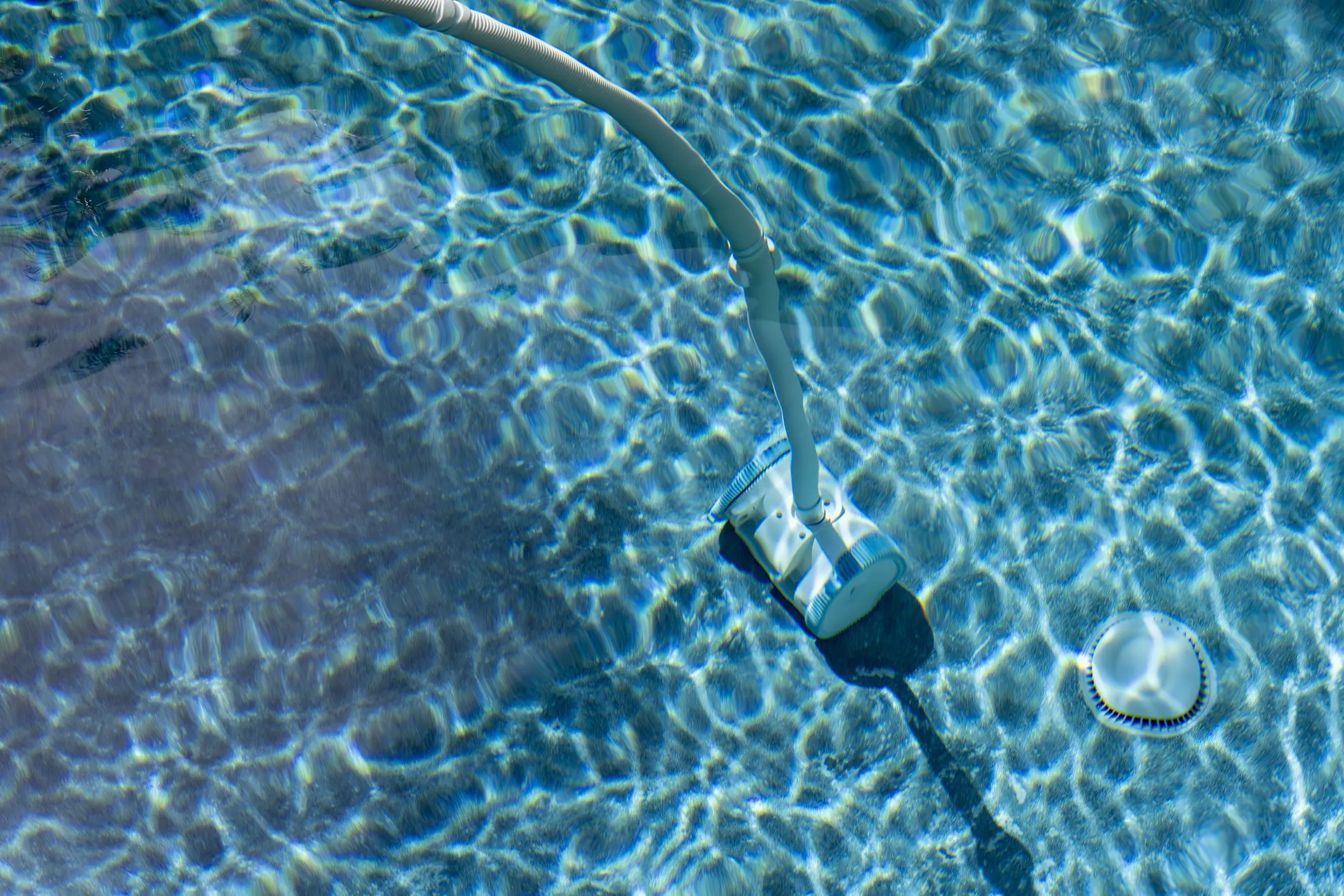
Rake and net leaves from the water surface daily during heavy fall drop to prevent organic buildup that consumes sanitizer. Leaving debris to sink increases combined chlorine and feeds algae even with normal chlorine readings. A homeowner can remove floating leaves with a skimmer and clear the pump basket to keep flow steady. For detailed chemical checks before heavy cleaning, consult a professional for water testing and balancing.
Use a leaf trap or large skimmer sock on suction lines to catch fragments that bypass the skimmer and reach the pump. These traps reduce hair and fine leaf debris that clog cartridges or sand filters and lower efficiency. Inspect the skimmer weir and skimmer basket after storms to confirm they sit correctly and allow consistent skimming action. If you hear unusual motor strain or see reduced flow, have a technician diagnose the pump and impeller for blockages.
For pools with many nearby trees, consider increased vacuuming frequency and brushing of walls to keep settled debris from staining the finish. A pressure gauge reading that stays high after cleaning suggests the filter still holds trapped organics and may need backwashing or cartridge removal. Professionals often use a turbidity check and written readings to confirm when mechanical cleaning is complete. Homeowners in Laguna Niguel, California should plan leaf control into weekly maintenance during peak drop.
When leaves break down, they release tannins that can stain plaster and tile if not removed promptly, so monitor pool surfaces closely. A dye test or visual inspection helps locate staining early, a pro will check filter media and conduct a visual report. For properties in San Clemente, California proactive debris management reduces unexpected chemical demand spikes and limits equipment wear. If staining or persistent cloudiness appears after cleaning, contact a professional for diagnosis and corrective treatment.
Filter Care Procedures And When To Backwash Or Replace
Inspecting filter pressure helps decide when to backwash or replace media, note the clean baseline pressure after a full clean. Record pressure readings weekly during heavy leaf fall to track trends before a service visit. If pressure stays elevated after backwashing, a deeper inspection of the tank and laterals is required. A professional will use a pressure gauge and visual checks to confirm damaged laterals or channeling.
- Check pressure before and after cleaning.
- Backwash when pressure rises 8-10 psi over baseline.
- Replace cartridge media when flow stays low.
- Inspect O-rings and clamps for leaks.
Cartridge filters need visual inspection of pleats for blinding, tears, or chemical etching that reduces flow. When pleats remain dirty after cleaning, replacement restores proper turnover and reduces pump strain. Sand and DE filters can channel internally, which a tech confirms by examining return clarity and pressure behavior. Technicians may use a dye or simple flow test to spot bypass or media degradation.
Backwashing works for sand and DE systems when pressure rises or returns cloudiness after cleaning cycles. Use backwash until water runs clear, then rinse and reset pressure, watching for steady drop to baseline. For cartridge systems, remove and hose down, use a mild detergent soak for heavy oils, and air-dry fully before reinstalling. If you see shoe-shaped stains or persistent odors after cleaning, contact a professional for diagnosis and possible media replacement.
When replacing parts, expect technicians to inspect the pump seal, valve positions, and manifold laterals as part of the procedure. They will document readings and deliver a written recommendation for future service intervals and media type. Homeowners in Laguna Niguel, California often benefit from fall replacements to avoid peak winter repair needs. For step-by-step guidance on cleaning and backwashing, see the resource on filter cleaning and backwashing.
To diagnose ongoing flow issues, a pro checks skimmer baskets, pump suction, impeller condition, and filter pressure readings in sequence. Observable symptoms include reduced return flow, repeated high pressure, or noisy pump bearings indicating strain. Simple checks include clearing skimmer weirs, measuring pressure, and observing return jet strength before ordering parts. If problems persist after basic maintenance, schedule professional service to avoid equipment failure and higher repair costs in San Clemente, California.
Pump Circulation Checks How It Works And When To Act
Start by observing pump sounds and return jet strength while the system runs, unusual vibrations or low jet force suggest circulation problems. A homeowner can check skimmer suction visually and note whether water rises and falls normally, which helps narrow suction-side issues. A professional diagnosing pump flow will inspect the impeller, check valve positions, and measure suction and discharge pressure with a gauge. If bearings hum or the motor heats quickly, shut the pump and contact a technician to avoid further damage.
Next, test turnover time by timing a dye or food coloring near a return and watching surface movement toward the skimmer. Slow or uneven movement indicates poor turnover or dead zones where sanitizers cannot reach effectively and algae may form. A technician confirms by measuring flow rate at the pump and comparing to expected gallons per minute based on pump and plumbing size. For properties in Laguna Niguel, California owners should note that local debris loads may affect these observations and trigger more frequent checks.
Inspect seals, unions, and visible plumbing for small leaks or weeping that reduce suction and lower flow, often observed as wet spots or steady drip sounds near fittings. Technicians pressure-test lines and may use dye to trace leaks, which helps diagnose hidden suction-side issues that mimic pump failure. If seals show wear or the impeller has hair or leaf buildup, cleaning or seal replacement usually restores normal circulation. For concerns about persistent loss of prime or sudden flow drops, a pro will run a written diagnostic and recommend repairs.
Gas or electric heater interaction with pump flow also affects circulation health, a tech checks flow switches, check valves, and heater pressure sensors to confirm correct operation. Automation and timers can mask intermittent circulation problems, so observe actual run times and compare to scheduled settings during a diagnostic visit. If returns sputter or the pump cycles on and off, the automation or a faulty pressure sensor may require adjustment or replacement. Homeowners in San Clemente, California should schedule an equipment inspection if irregular run patterns continue to protect pumps and heaters.
Heater And Automation Inspection What Technicians Check
Technicians inspect heater ignition and combustion components for safe startup and steady flame, watching for delayed ignition or repeated lockouts. They check inlet and outlet temperatures and measure temperature rise to confirm heat transfer efficiency. A pro also verifies the heat exchanger and burner ports for soot, corrosion, or scale that reduce output. If natural gas smells or odd combustion sounds occur, they recommend shutting the unit and calling a professional immediately.
Automation checks include confirming timers, relays, and control boards respond to setpoints and schedule changes without errors. Techs run manual commands from the control pad to verify that pumps, heaters, and valves follow automation inputs reliably. They inspect low-voltage wiring, terminal connections, and any weatherproof housings for corrosion or loose terminals that cause intermittent faults. When sensors read incorrectly, a technician will compare sensor output to a handheld meter to confirm whether the sensor or wiring is at fault.
Flow and safety interlocks receive a focused test to ensure the heater sees the correct flow rate and that flow switches and pressure sensors operate within specification. A technician may temporarily bypass automation signals while monitoring pump discharge pressure and return temperature to isolate a flow fault. They also check three-way valves and actuator movement for smooth operation and full stroke to prevent short-cycling of the heater. If impeller wear or motor issues appear likely, techs document findings and recommend mechanical servicing or parts replacement.
Electrical inspection covers GFCI protection, circuit breakers, and proper grounding to reduce shock and fire risk around pool equipment. Pros use a multimeter to measure voltage at the motor and control board, and they inspect conduit entries for water intrusion that can corrode contacts. For ongoing motor concerns, consider professional pump motor servicing that includes bearing checks and electrical testing to confirm longevity. Homeowners in Laguna Niguel, California and San Clemente, California should keep records of these diagnostics for seasonal planning and informed repair decisions.
Winterizing Equipment Steps And When To Call Professionals
Begin winterizing by isolating and draining exposed equipment to prevent freeze or condensation damage to seals and electronics. Close valves that feed external heaters and unblock drain ports to allow residual water to escape. Remove and store small removable parts like baskets and timers in a dry, temperature-controlled space to avoid cracking. For complex automation and control boards, disconnect power at the breaker before touching wiring to reduce shock risk.
- Turn off electrical power at the main panel.
- Drain and dry pump housing and baskets.
- Blow out exposed plumbing with low-pressure air.
- Apply non-toxic antifreeze in low points when needed.
Compressible unions and O-rings benefit from light silicone grease to prevent seizing during cold months and keep threads intact. Label electrical and plumbing connections before disassembly so reassembly is straightforward in spring. Technicians often torque unions to spec and record circuit voltages to confirm safe restart later. A written parts list helps homeowners plan repairs before the next season.
Professionals diagnose hidden problems with tests homeowners cannot safely perform, such as pressure testing buried plumbing and electrical continuity checks on motors. Observable cues that prompt calling a pro include constant tripping breakers, persistent weeps at seals, or abnormal motor heating during short runs. A technician would use a multimeter, pressure gauge, and recorded pressure readings to confirm leaks or electrical faults. For full-service winter preparation and detailed diagnostics, consider scheduling professional pool equipment services.
If you notice unusual vibrations, fuel smell from a heater, or failing safety interlocks, stop and call a technician immediately to avoid damage or hazard. In Laguna Niguel, California homeowners with seasonal humidity swings should pay attention to corrosion signs at metal fittings during winterizing. For properties in San Clemente, California ongoing salt air exposure can speed seal degradation, making early professional inspection valuable. When in doubt about electrical or buried-plumbing work, hire a licensed pro to complete winterizing safely.
Pool Maintenance Checklist For Homeowners To Follow
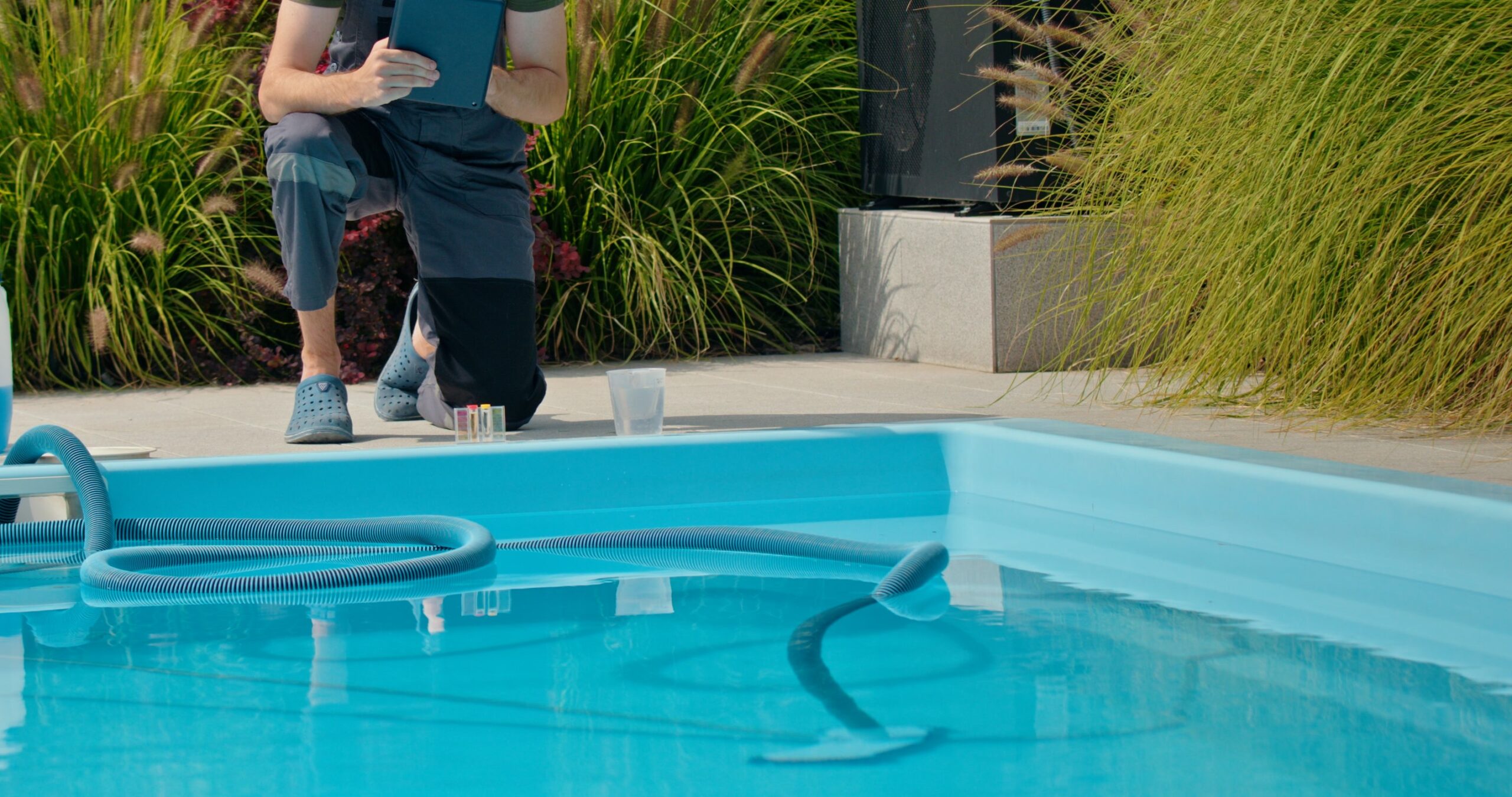
Create a simple checklist card you can keep near the pool equipment to track weekly and monthly tasks. Include test dosing, visible leak checks, run-time logs, and filter pressure readings to guide decisions. Note any odd noises, smells, or temperature changes and mark when a professional inspection is needed. A concise log helps a technician reproduce issues and speeds diagnostics.
For water checks, list specific targets like sanitizer, pH, alkalinity, and calcium hardness with spaces for recorded values. Add a column for cyanuric acid if using stabilized chlorine and one for salt if you have a salt system. Record the pool temperature and the time of day when tests are taken to spot patterns. These entries let you see trends that indicate slow-developing problems.
Include routine mechanical tasks such as clearing skimmer baskets, confirming return jet force, and noting filter pressure before and after cleaning. Add a simple prime test step: observe pump suction at the skimmer while running to confirm steady draw. If the pump runs hot, vibrates, or loses prime, write down when that occurs for the technician. A clear symptom timeline shortens diagnosis time.
Make a seasonal action row for fall that lists debris shields, increased brushing frequency, and heater startup checks tied to operation hours. For heater-specific maintenance and repair guidance, reference the resource on heater maintenance and repair to know what technicians inspect. Homeowners in Laguna Niguel, California should note increased leaf load timing for scheduling. Documenting these items helps with smoother handoffs to professionals in San Clemente, California.
Frequently Asked Questions
How often should I test water during fall pool maintenance?
Test pool water at least twice a week during October and November to track pH, chlorine, and alkalinity levels. Increase testing to every 2–3 days after heavy rain, storms, or notable debris accumulation. Check calcium hardness and cyanuric acid once or twice in the fall to prevent scaling or sanitizer loss. If you see cloudy water, strong odors, or persistent algae, stop and contact a professional for diagnosis and safe treatment.
What steps prevent leaves from clogging filters in fall?
Skim the surface daily with a leaf net or skimmer to remove floating leaves before they reach the skimmer basket. Install a larger-capacity skimmer basket or add a pre-filter sock to trap finer debris and reduce filter load. Keep pool maintenance consistent by backwashing or cleaning the filter according to visible pressure rise and debris levels. If leaves repeatedly clog equipment, exercise caution around electrical components and call a professional for inspection and safe corrective work.
When should a pro inspect pumps, seals, and heaters?
Have a pro inspect pumps, seals, and heaters at the start of fall before temperatures drop and you reduce pool use for the season. Schedule inspection after heavy storm debris or if you notice unusual noises, leaks, or pressure changes in the system. A technician will check shaft seals, pump bearings, heater combustion components, and pressure gauges to confirm proper operation. If you suspect a leak or carbon monoxide risk around gas heaters, stop using equipment and call a professional immediately for safe diagnosis and repair.
How do I diagnose low return flow or poor circulation?
Start by observing return jets and pump flow, weak jets, gurgling sounds, or long pump run times indicate poor circulation. Check visible items like clogged skimmer baskets, leaves in pump strainer, or a dirty filter that reduce flow. Use a pressure gauge and ammeter to compare pump readings with normal ranges, large deviations suggest restriction or a failing motor. If you suspect suction leaks, air in the system, or motor problems, stop the system and call a pool maintenance professional for a safe diagnosis.
Which winterizing tasks are part of pool maintenance?
Winterizing tasks for pool maintenance include balancing water chemistry and lowering the water level to prevent freeze damage around skimmers. Technicians remove debris, vacuum the pool, and clean or backwash filters to reduce organic load. They inspect and winterize equipment like pumps, heaters, valves, and return fittings, and add antifreeze to lines when needed. If you suspect cracks, persistent leaks, or complex plumbing, caution and hire a professional for safe diagnosis and winterization.