


Key Takeaways About Pool Filter Maintenance
Pool filter maintenance means inspecting and servicing filter media and related equipment to keep water clear. This guidance is for homeowners and property managers after heavy summer use when debris and wear reduce filtration.
- Identify rising pressure and weak returns as primary warning signs.
- Prevent buildup by removing skimmer debris and routine rinsing.
- Avoid pump strain by backwashing or cleaning according to type.
- Spot oily films cloudy water or rapid algae regrowth quickly.
- Reduce chemical demand and energy use with timely service.
- Plan professional inspection when pressure stays high after cleaning.
Introduction
After a busy summer the pool filter often carries the season’s grime and reduced flow. Clogged cartridges, dirty DE grids, or packed sand all lower filtration efficiency. Reduced filtration increases algae growth and chemical use. Homeowners notice cloudiness, odors, and strain on the pump.
Seasonal debris such as sunscreen residue, grass clippings, and pollen settle into the filter over months. These materials compact and block media or pleats, so water passes with less clarity. Small problems can become costly if the pump works harder for weeks. The result is higher energy use and shortened equipment life.
Warning signs include rising pressure on the filter gauge and slower water return flow. Visible cloudiness and recurring algae outbreaks also point to poor filtration. A professional inspection confirms whether cleaning, parts replacement, or deeper service is needed. Technicians check pressure readings, inspect cartridges or grids, and test return line flow rates.
Properties in San Clemente, California and Oceanside, California face similar seasonal cycles of debris and use. Timely pool filter maintenance restores proper water turnover and reduces chemical demand. If signs persist after basic care, schedule professional cleaning to protect water quality. Stillwater Pool Concierge can evaluate filter condition and recommend next steps without pressure.
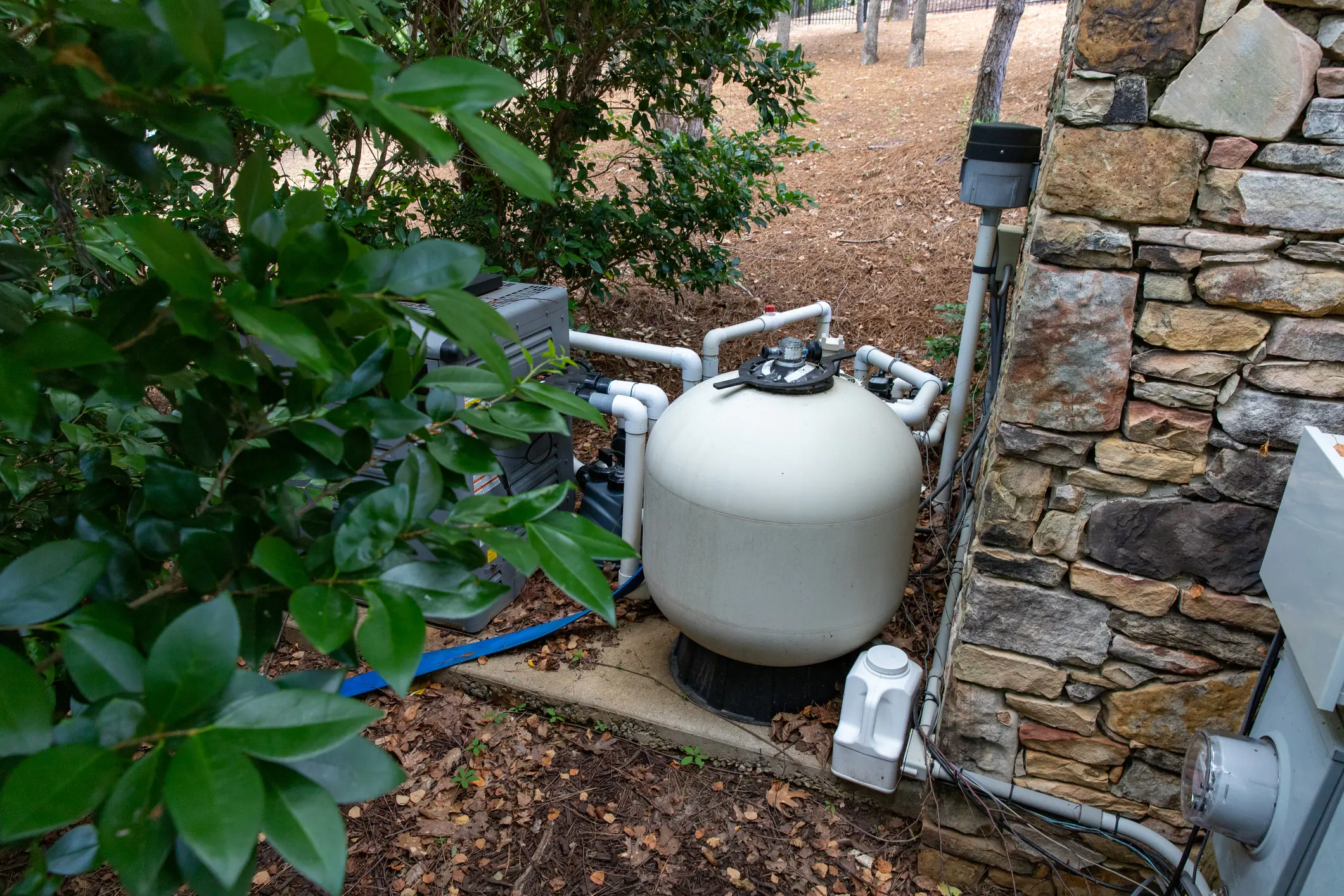
How Pool Filters Work And Why It Happens
How pool filters work means they trap particles while moving water through media so clean water returns to the pool.
- Sand filters strain particles through packed sand.
- Cartridge filters push water through pleated fabric.
- DE filters use coated grids to capture fine debris.
- All filter types rely on consistent flow and pressure.
Water enters the skimmer and main drain then passes through the pump before reaching the filter media for capture.
Trapped debris accumulates in the media and raises pressure, which lowers circulation and reduces turnover rate.
Homeowners often ask how to tell if the filter needs service and one clear sign is steadily rising filter pressure above normal operating range.
Common Seasonal Debris That Reduces Flow
Leaves and twigs from late-summer storms often lodge in skimmer baskets then work toward the filter, where they form mats that slow flow. Small organic matter breaks down and produces sticky films that coat cartridge pleats or DE grids. Sand filters trap heavier organic particles between grains, which can form channels and reduce effective depth. This buildup reduces filtration surface area and forces the pump to run longer to maintain turnover.
Sunscreen, body oils, and lotions leave greasy residues that collect on filter media and attract fine dust and pollen. Pollen and airborne plant dust can compact into dense layers that pass through skimmers into the filter. Microalgae and tiny plant fragments can accumulate in pleats and grids, making backwashing or rinsing less effective. Over time these materials change how the media captures particles and lower clarity.
Grass clippings and small yard debris enter pools during heavy use and cling to skimmer throats before reaching the filter. Fibrous materials wedge between cartridge pleats and reduce open flow paths quickly. In DE filters, sticky fibers coat grids and glue DE powder into clogged lumps. Technicians will often remove these visible fouling types during a service visit to restore normal flow.
Sand and mineral sediment settle from well or fill water and pack at the bottom of sand filters, decreasing porosity and creating bypass channels. Fine grit will abrade cartridge fabric over months, shortening its useful life and compromising filtration. Sediment also raises differential pressure across the media, which diagnostics record with the pressure gauge. A clear inspection of media and a pressure reading help confirm sediment-related flow loss.
For seasonal cleanup homeowners can follow basic pool-care steps that remove surface debris before it reaches the filter and learn more from general maintenance guides such as pool cleaning basics. In Oceanside, California homeowners often see pollen and marine organics that increase load during autumn. For properties in San Clemente, California heavy use and yard debris contribute similar fouling patterns. If debris persists or pressure stays high after routine care, contact a professional to inspect media, gauge readings, and flow rates.
Warning Signs Of Reduced Filtration Performance
Slow return jets and weaker waterfall flow are clear signs the filter no longer moves water at intended rates. Listen for a change in pump noise that sounds strained or higher pitched while running. Check the filter pressure gauge, a steady rise above the normal operating mark often means media is fouled. If pressure drops suddenly while flow also falls, that can indicate a bypass or damaged laterals in a sand filter.
Cloudy water that does not clear after normal filtration cycles often points to reduced capture efficiency inside the filter. Persistent fine particles or a slight haze after vacuuming suggests pleats, DE grids, or sand are no longer filtering effectively. A greasy film on the water surface with reduced skimmer action can mean oils have overwhelmed the media. When visible solids reappear quickly after cleaning, filtration capacity has likely declined.
Frequent need to add more sanitizer or shock to control algae growth signals the filter is not removing organics well. Sudden algae blooms despite proper chemistry should prompt inspection of filter media and pump basket flow. Watch for repeated tripping of the pool pump on thermal overload or circuit breakers, as that indicates extra strain from restricted flow. These electrical symptoms require shutting equipment off and calling a professional if they recur.
Technicians diagnose issues with a clear process that homeowners can observe during an inspection. They record filter pressure, measure return-line flow with a simple flow meter or bucket test, and inspect cartridges, grids, or sand depth visually. For routine prevention, consider regular debris removal and weekly checks described in the weekly cleaning and debris removal guidance.
Simple Home Checks And When To Act
Start with simple visual and basic mechanical checks you can do without tools to confirm diminished flow. Inspect skimmer baskets and pump strainer for packed debris that blocks suction and slows circulation. Turn the pump off and clear visible obstructions before restarting to see if flow improves. If noise or vibration continues, stop equipment and note the symptom to report to a technician.
- Check the filter pressure gauge at idle and running.
- Look for cloudy returns and weak jets.
- Feel the pump and motor housing for excess heat.
- Confirm skimmer baskets are clean and free-flowing.
Measure basic flow with a bucket test to compare expected versus actual return output over time. Time how long it takes to fill a known-volume bucket at a return jet and calculate gallons per minute. Record pressure gauge readings before and after the test to show differential change. Bring these measurements to a professional to help diagnose internal media or lateral issues.
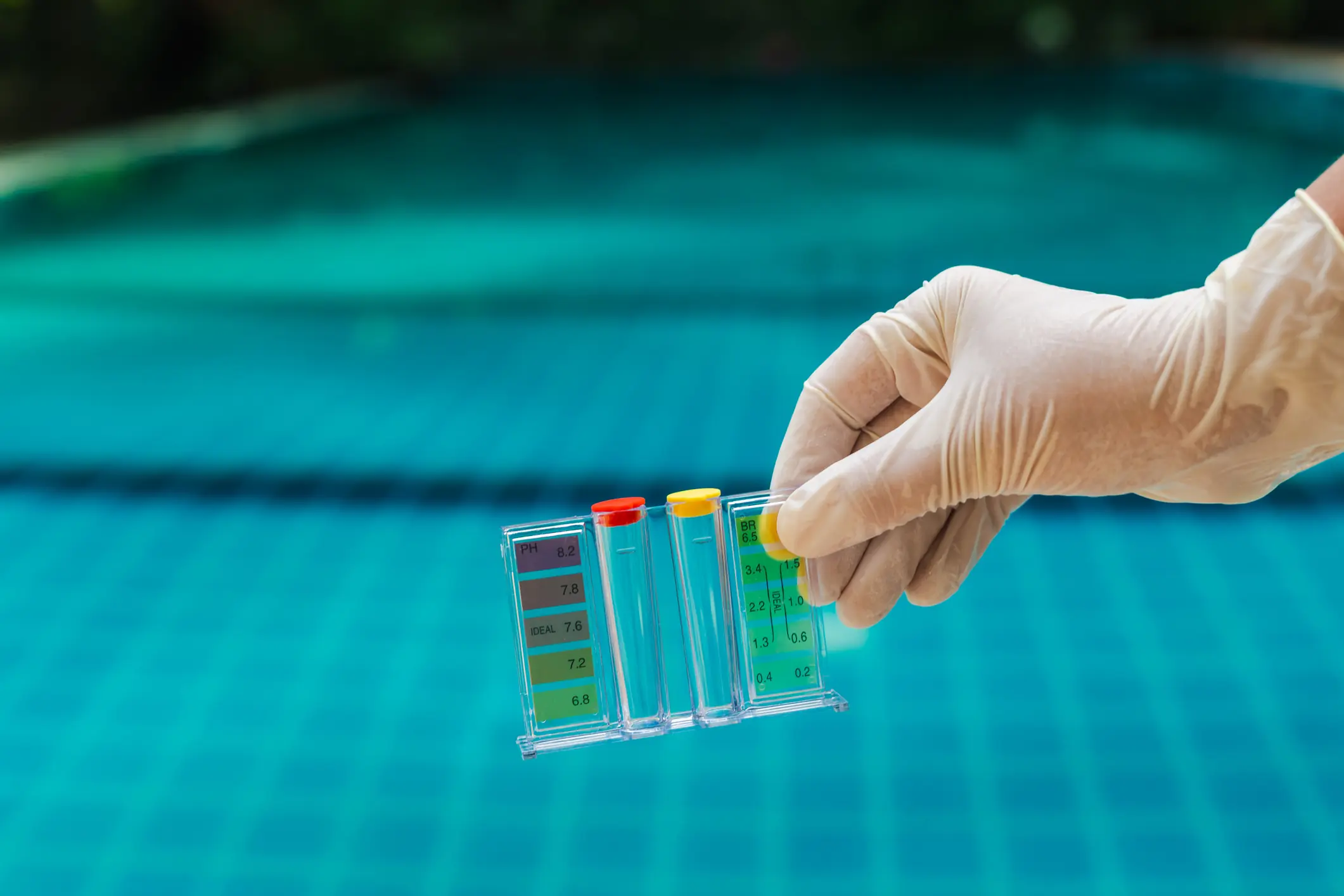
If chemistry feels unstable after clearing debris, have water balance verified by testing to avoid repeated filter clogging. Properly balanced water reduces organic buildup that coats media and shortens cleaning intervals. Consider a professional water check that uses tests beyond simple strips to confirm free chlorine and combined chlorine levels. For lab-grade or technician-level checks, see the Stillwater Pool Concierge page on water chemistry testing and balancing for guidance and next steps.
Homeowners in Oceanside, California should watch pollen seasons closely and act sooner if flow drops during heavy pollen weeks. For properties in San Clemente, California schedule a mid-fall inspection when heavy use ends to catch media wear before winter. When basic checks and bucket tests still show poor flow, call a professional for a thorough media inspection and pressure diagnostics. Early action reduces pump strain and helps maintain clearer water with less chemical use.
Step By Step Backwashing And Cartridge Care
Begin by turning off the pump and relieving pressure at the filter air relief valve before opening any removable ports. Inspect external components like clamps, O-rings, and the pressure gauge for wear or damage visible without disassembling media. Remove the cartridge or open the backwash valve assembly carefully and note any odors, color, or texture of the debris that would guide cleaning choices. If you see oily films or stubborn residue, plan a deeper rinse with a low-pressure hose or chemical soak per manufacturer guidance.
For sand and DE systems, start backwashing on the filter’s waste setting until the sight glass or waste line runs clear, usually two to five minutes. Watch the pump and the pump basket as flow rebounds, a continuing lack of return flow suggests internal channeling or damaged laterals. After backwashing a sand filter, run the rinse cycle briefly to resettle sand and reset pressure readings before returning to filtration. Record the pressure gauge reading before and after backwash to confirm a meaningful drop and improved differential.
Cartridge maintenance requires a thorough rinse, inspecting each pleat for embedded grit or tears, and replacing cartridges if the fabric shows fraying. Use a cleaning solution designed for cartridge media when soap and water do not restore pleat spacing and flow, then rinse until water runs clear through the cartridge ends. Reinstall cartridges with properly lubricated O-rings and tighten clamps to the manufacturer’s torque recommendation to avoid leaks. If pressure remains high after correct reassembly, a further inspection of pump impeller and suction lines helps locate flow restrictions.
If you are unsure about any step or the filter shows persistent issues, document readings, noises, and visible damage for a technician to review during an on-site visit. A professional can perform an equipment inspection and maintenance service to confirm lateral integrity, check sand depth, or perform DE grid cleaning beyond home-capable rinses.
Imbalanced pool chemistry changes how particles behave and how filter media captures them, so measure pH, alkalinity, and sanitizer levels after heavy summer use. High pH reduces sanitizer effectiveness and lets organic matter persist, which then clings to pleats, grids, or sand and lowers flow. Low alkalinity causes pH swings that can corrode fittings and alter water clarity, increasing backwash frequency. Regular testing helps prevent these chemical-driven fouling patterns from becoming mechanical problems.
Shock treatments add oxidizer to break down organics, but heavy use of non-stabilized oxidizers can temporarily cloud water while suspended particles overwhelm the filter. After shocking, run continuous filtration and monitor pressure to confirm the filter clears the suspended load within a few cycles. If pressure climbs and cloudiness persists, a deeper cleaning or a second shock may be needed under professional guidance. A technician can recommend shock types and timing based on test results.
Calcium hardness and total dissolved solids affect how quickly scale forms on internal surfaces and media, reducing pore space and flow rates. Scale on cartridge fabric or DE grids limits water passage and forces the pump to run longer at higher amps, which may stress the motor. Inspect pump motor amperage and impeller condition during a service visit to confirm whether chemical scaling has affected equipment performance. For combined mechanical and electrical evaluation, consider scheduling pump and motor inspection as part of routine care with a focus on matching chemical history to wear patterns.
To diagnose whether chemistry or media causes poor filtration, a professional will review recent test results, record filter pressure trends, and perform a flow or bucket test at returns. They will also inspect cartridge pleats, DE grids, or sand depth and test pump amperage and impeller condition to correlate symptoms. In Oceanside, California seasonal pollen spikes can change weekly chemical demand, making these diagnostics useful. For properties in San Clemente, California a technician can combine media cleaning with pump inspection and recommend timing for the next chemical balancing service.
When To Call A Professional Pool Service
Call a professional when visual checks and routine cleaning do not reduce pressure or restore normal flow within a few days. Persistent high gauge readings combined with weak returns suggest internal media damage or hidden bypass paths needing inspection. Technicians use pressure gauges, a flow meter, and visual inspection to confirm whether repairs or media replacement are required. Acting before electrical or mechanical failure reduces the chance of pump motor overheating and higher repair costs.
- When pressure stays above the recommended range.
- If backwashing does not lower pressure.
- When cartridges show tears or frayed pleats.
- If sand bypass or laterals appear damaged.
Professionals will perform diagnostic steps homeowners cannot, such as measuring return-line flow and testing pump amperage under load. They inspect internal components like laterals, DE grids, impellers, and O-rings for wear or failure that affects filtration. A technician documents findings with photos and recorded readings to explain recommended repairs or replacements. This evidence helps homeowners decide on corrective actions with clear information.
Schedule service when cloudiness persists after chemical correction and mechanical cleaning or when the pump trips repeatedly on overload. For properties in San Clemente, California seasonal debris can hide internal filter wear that a professional must assess. Stillwater Pool Concierge offers targeted equipment evaluation through their pool equipment services to confirm causes and present options without pressure. If safety concerns arise during inspection, a technician will advise shutting equipment off and arranging repairs immediately.
Benefits Of Professional Pool Filter Maintenance
Professional pool filter maintenance returns measurable performance through detailed inspection and calibrated cleaning, rather than quick rinses. Technicians check pressure trends, measure return-line flow, and confirm pump amperage to create an evidence-based service plan. They can locate worn laterals, damaged O-rings, or internal bypasses that home checks might miss and document findings with photos and readings. This level of diagnostic detail helps homeowners decide between media cleaning, component repair, or replacement based on data.
Deep cleaning methods remove bonded oils, sunscreen, and fine organics that normal rinsing cannot dislodge from pleats or DE grids. A technician uses controlled chemical soaks or multi-stage rinses to restore pleat spacing and media porosity without damaging fabric or grids. For sand systems they evaluate sand depth and lateral function, performing corrective measures if channeling or packing reduces effective depth. These actions extend media life and improve clarity while reducing how often you must backwash.
Professional service reduces long-term operating costs by lowering pump strain and improving circulation efficiency across the season. When filters run closer to their designed pressure range, pumps draw fewer amps and face less thermal stress, potentially lengthening motor life. Technicians also spot secondary issues such as impeller wear or valve leaks that otherwise increase energy and chemical needs. The result is steadier water clarity and fewer surprise repairs over time.
For homeowners who want upgrades or repairs beyond cleaning, professionals coordinate parts and system improvements that match pool equipment needs. They can recommend and install component upgrades, or repair fittings identified during diagnostics, linking mechanical fixes to improved filter performance. If you need those services, review options under pool equipment repair and upgrades to plan the next steps.
Frequently Asked Questions
When should I schedule post-summer pool filter maintenance?
Schedule post-summer pool filter maintenance within two to six weeks after the last heavy-use weekend to remove accumulated debris. If your pool clouded up quickly or pressure gauges rose above normal, call sooner for inspection. A technician will inspect the pump, pressure gauge, cartridge or DE grids, and run a flow test to confirm reduced filtration. If you smell chlorine strongly, see algae, or notice suction loss, stop using the pool and contact a professional for safety.
What warning signs show filter performance has declined?
Cloudy or green water despite normal chemistry often indicates reduced filter performance and trapped fine debris.
You may hear a louder pump or notice higher pump runtimes as the system works harder to push water.
A steady rise in filter pressure or frequent need to backwash signals clogging or damaged media needing attention.
If you smell mildew, see algae blooms, or detect leaks around the filter, stop use and contact a professional for safe inspection.
How does seasonal debris damage cartridge, DE, or sand filters?
Leaves, pine needles, sunscreen residue and algae buildup clog pores and channels in cartridge, DE, and sand filters, reducing flow and efficiency. Abrasive sand and gritty debris scour cartridge pleats, wear DE grids, and pack into sand beds, shortening component life. Organic matter breaks down and fosters bacterial growth, which can cause odors and require chemical shock, exercise caution and avoid exposure to contaminated water. If you suspect internal damage or persistent low flow, hire a professional to inspect, clean, and restore proper function during pool filter maintenance.
What basic checks confirm reduced return-line flow?
Check return jets visually for weak or uneven flow while the pump runs, note slow trickles or sputtering sounds. Compare flow to normal by feeling water pressure at multiple returns and observing circulation patterns. Inspect pump and skimmer baskets for clogging, but do not open electrical panels or attempt complex repairs, caution and call a professional if unsure. A technician will use a pressure gauge and flow readings during pool filter maintenance to confirm reduced return-line flow and recommend next steps.
When is professional cleaning preferred over DIY maintenance?
Choose professional cleaning when your filter media shows deep staining, torn cartridges, or felt clogs that brushing cannot remove.
If backwash cycles fail to clear turbidity or pressure stays high after routine cleaning, a pro can diagnose internal issues.
Professionals use inspection tools, pressure gauge readings, and component checks to confirm whether deeper pool filter maintenance or parts replacement is needed.
If you notice chemical smells, oil film, or damaged valves, stop DIY work and call a technician because those pose safety risks.