


Key Takeaways About Pool Pumps
Pool pumps move water through filtration heating and sanitation components. This summary helps San Clemente homeowners spot issues and act before peak season problems arise.
- Identify unusual sounds smells leaks or pressure swings quickly.
- Prevent air leaks by checking lids O-rings and suction fittings.
- Avoid running pumps at full speed when turnover is unnecessary.
- Spot clogged impellers baskets and valves during weekly checks.
- Reduce electrical strain with proper runtimes valve tuning and logs.
- Plan professional diagnostics when breakers trip or leaks persist.
Introduction
Pool pumps are the mechanical heart of a backyard pool, and when they lose efficiency problems quickly follow. Reduced flow raises chemical use and lets debris linger on surfaces. Homeowners notice higher energy bills and cloudier water when pumps strain. In San Clemente, California many properties face these exact frustrations during peak season.
Common causes include clogged skimmers, worn seals, and restricted plumbing that lower water movement. When flow drops the filter and heater also work harder and wear faster. That creates more breakdowns and unexpected service calls for busy homeowners. In Laguna Niguel, California nearby coastal humidity can make maintenance timing more important.
Recognizing performance issues early keeps repairs smaller and less costly over time. Sounds, smells, and shorter filter cycles are useful warning signs to watch for. Visible air in the pump basket or pressure gauge swings often point to specific problems. A consistent routine prevents many failures and improves pool comfort all season.
Professional inspection confirms what observations suggest and keeps electrical and plumbing checks safe. A technician uses a pressure gauge, flow readings, and basic electrical tests to diagnose issues. Proper diagnosis avoids replacing parts that still function well. Scheduling routine service reduces surprises and extends pump life for pool owners.
How Pool Pumps Work And Why It Matters
Pool pumps are devices that move water through your pool system to filter, heat, and sanitize effectively.
- The motor creates suction at the skimmer and main drain.
- Water flows through the pump basket to catch debris.
- The impeller pushes water into the filter and heater.
- Return lines send clean water back into the pool.
The pump motor and impeller work together so proper flow reaches the filter and heater without restriction.
Homeowners often ask how to tell if flow is enough, visible debris movement and steady filter pressure indicate good flow.
A technician confirms flow problems by measuring pressure, reading pump current with a clamp meter, and inspecting the impeller and seals.
Common Causes Of Reduced Water Flow
Air leaks in suction lines are a common cause of reduced flow and often start small before they worsen. Homeowners may spot air bubbles in the pump basket or hear a hissing sound near the skimmer plumbing. A technician will check the strainer lid O-ring, visible unions, and valve seals for cracks or improper seating. Repairing or replacing worn O-rings and tightening unions usually restores full suction quickly.
Clogged or damaged impellers restrict how much water the pump can move and slowly lower flow rates. Debris like leaves, hair, and mineral buildup can lodge around the impeller blades and reduce efficiency. A professional opens the pump housing to inspect the impeller and clean or replace it if worn, often during routine pump motor servicing. Signs include weak returns and a higher-than-normal motor current draw on a clamp meter.
Closed or partially closed valves and blocked return lines can cut flow without obvious pump problems. Check valves, multiport valves, and manual isolation valves may stick or sit in the wrong position after service work. Technicians will trace flow by isolating sections, observing valve alignment, and measuring pressure before and after the suspected restriction. Correct valve position and clearing blockages in returns usually bring flow back to design levels.
Incorrectly sized or kinked plumbing creates friction losses that reduce pump output even when the pump itself runs normally. Long runs, sudden pipe diameter changes, or sharp fittings increase resistance and lower effective flow. During inspection, a plumber notes pipe size, fitting layout, and visible damage, then recommends changes or repairs if needed.
Recognizing Early Performance Problems At Home
Listen for changes in the pump’s normal sound pattern, a slow, faint hum or intermittent clicking often appears before major failures. Smells like burning plastic or hot motor odor indicate electrical strain and should prompt shutting the pump off immediately. Visible vibration at the motor mount or loose fasteners often links to misalignment or worn bearings. Homeowners in Laguna Niguel, California have reported catching these cues early and avoiding larger repairs.
Watch the pump basket and strainer lid for persistent air bubbles that do not clear during normal operation. Sudden drops in the return jet strength paired with steady pump speed suggest an internal restriction or failing impeller. Check for water seeping from the shaft seal area which can signal a worn seal needing replacement. A technician will confirm with a brief flow measurement and visual inspection of the impeller housing.
Note how long the filter cycles last and whether pressure gauge readings swing widely during a run, inconsistent pressure often precedes component failure. If the motor temperature feels unusually hot to the touch after a short run, overheating may be stressing internal components. A pro uses a clamp meter and temperature check to rule out electrical issues or an overloaded motor. For San Clemente, California properties, spotting these symptoms before peak season reduces costly emergency service calls.
Record simple observations like sound changes, odors, leaks, or timing in a notebook or phone photo log to aid diagnosis. A technician will use those notes plus a pressure gauge, flow test, and visual checks to confirm the root cause. Routine inspection of seals, impeller clearance, and voltage under load prevents misdiagnosis and unnecessary part swaps. For more detailed system checks and scheduled inspections, consider reviewing available pool equipment services before problems worsen.
Troubleshooting Pump Noise And Overheating Symptoms
Unusual noises often point to mechanical wear inside the wet end or motor bearings and need prompt attention. A grinding or high-pitched squeal usually means bearing wear or impeller rubbing the housing. Soft tapping or cavitation sounds can come from air in the suction line or a clogged impeller. Technicians confirm by isolating the pump, checking the impeller clearance, and measuring current draw under load.
- Listen for grinding or squealing.
- Check for hissing or air bubbles.
- Feel the motor housing for hot spots.
- Inspect the strainer basket for hidden debris.
Overheating can arise from restricted flow, electrical faults, or failed bearings and causes heat near the motor shaft. If the motor smells like hot insulation switch it off immediately to prevent further damage. A professional will use a clamp meter, confirm voltage at the motor, and test insulation resistance if needed.
When diagnosing at home, record what you hear, see, and smell and share it with the technician for faster diagnosis. A pro will remove the pump housing to inspect the impeller, shaft seal, and bearings visually and with simple tools. They often run the pump briefly while observing a pressure gauge and current draw to confirm the issue. In San Clemente, California properties benefit from this systematic approach before scheduling repairs or upgrades described by pool equipment repair and upgrades.
Reducing Unnecessary Strain On Older Equipment
Older pool pumps suffer when owners run them continuously at maximum speed instead of matching runtime to needed turnover. Reducing unnecessary runtime lowers motor wear and cuts electricity use without changing chemistry routines. Consider staggering pump schedules so circulation and filtration occur at times when chemical demand is highest. Adjusting run times can prevent overheating and extend component life for older motors.
Use valve adjustments to balance flow rather than forcing a weak pump to overcome system restrictions. Partially closing return or skimmer valves can direct flow where it matters and reduce strain on the impeller. A simple valve tuning session indoors or poolside may avoid long motor runs and lower current draw. For persistent tuning needs, review an annual equipment inspection and maintenance report to set safe limits.
Limit start-stop cycles by grouping pump activity around predictable tasks like filter cleaning or pool use to avoid thermal stress on older motors. Frequent cycling raises bearing wear and can lead to premature failure in vintage pumps. Set timers or use a reliable controller to maintain steady operation periods and reduce abrupt electrical loads. This tactic helps preserve seals and bearings while keeping flow adequate for sanitation.
When mechanical wear limits a pump’s capacity, reduce backpressure from other equipment to prevent overloads and cascading failures. Check valves, heater bypasses, and clogged heaters add resistance that stresses older pumps when left unchanged. A technician diagnosing persistent load problems will check pressure differences, measure amperage with a clamp meter, and inspect valves and fittings. If the system shows high current or pressure after simple adjustments, schedule targeted repairs with a pool repair services professional.
In some cases, modest upgrades like improved lids, fresh O-rings, or adjusted impeller clearance reduce demand on the motor without full replacement. These targeted fixes can restore useful life to older pumps and delay replacement while improving flow and reducing noise. Homeowners in Laguna Niguel, California and San Clemente, California often find this approach balances budget and reliability. If uncertainty remains about safe limits, contact a technician for a diagnostic check and written recommendations.
Simple Maintenance Tasks Homeowners Can Perform
Inspect the pump basket weekly and remove leaves and debris before they reach the impeller area. Check the strainer lid O-ring for cracks or dryness and apply a small amount of lubricant if it looks worn. Run the pump briefly after reassembly to confirm steady suction at the skimmer and no air bubbles in the pump basket. If flow feels weak after cleaning, note it for a professional diagnostic check.
Clean or backwash the filter according to visible pressure gauge changes and debris load to keep system resistance low. Follow the manufacturer schedule and perform a manual backwash when the gauge rises several PSI above the normal operating mark. For guidance on the process consult a filter cleaning and backwashing resource to confirm proper steps and valve positions. Regular filter care reduces stress on pump motors and helps maintain consistent circulation.
Check all visible unions and threaded connections for drips or fractures and tighten hand-tight plus a quarter-turn where safe. Inspect electrical connections at the timer or switch for discoloration or loose screws and turn power off before touching any terminals. Test the timer schedule and replace batteries in controls to avoid unexpected long runs caused by failures in timing devices. If you smell burning at the motor or see scorched wiring, turn the system off and call a professional immediately.
Keep pool area vegetation trimmed to reduce organic debris entering the skimmer and lowering pump workload. Observe and record runtime, sounds, and pressure readings in a simple log to spot gradual performance shifts. In Laguna Niguel, California homeowners find that seasonal debris patterns help schedule cleanings before heavy loads arrive. For any cleaning steps beyond basic maintenance, consider contacting a technician for a written inspection and service plan for San Clemente, California properties.
When To Call A Professional Pool Pump Service
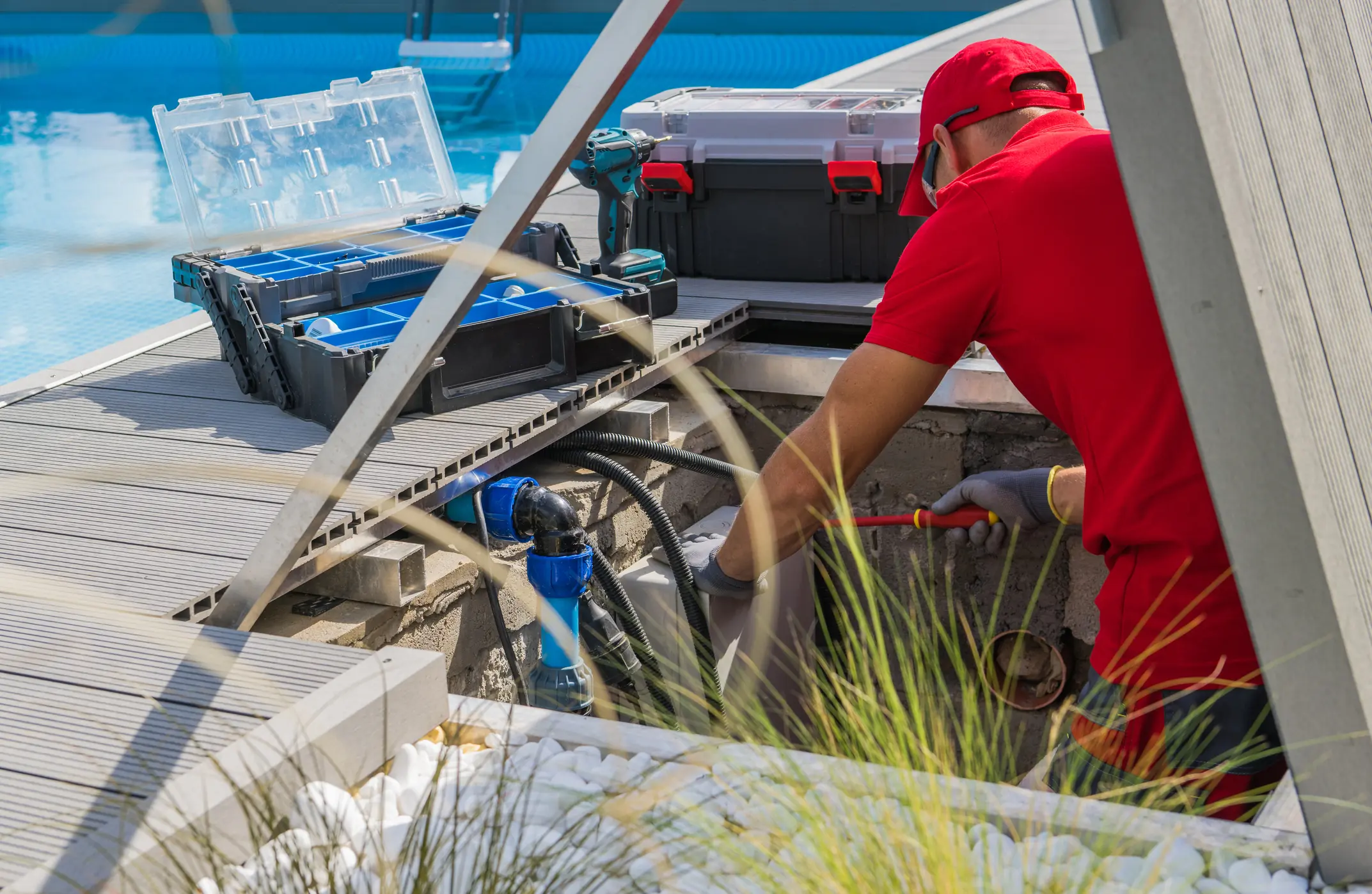
Call a professional when you notice intermittent electrical trips, burning smells, or visible water leaking from the motor housing. These signs suggest risks beyond basic homeowner tasks and need trained testing and safe repairs. A technician will shut power, inspect wiring, and use a clamp meter to record motor amperage under load. Prompt service prevents further damage and reduces the chance of sudden total failure during peak use.
- Severe leaks that you cannot stop safely.
- Repeated circuit breaker trips when the pump starts.
- Loss of suction after basic cleaning steps.
- Persistent unusual noises during operation.
If your pool chemistry goes out of range despite normal circulation, request combined equipment and chemical assessment rather than guessing causes. A pro can correlate flow readings with a water chemistry check and adjust run times to protect equipment. For guidance on balancing and testing water, consider professional resources like water chemistry testing and balancing to confirm sanitation needs. This coordinated approach reduces cycling stress on motors and preserves filter life.
When performance issues recur after repairs, schedule a diagnostic visit that includes pressure measurements, impeller inspection, and voltage verification. The technician documents findings with readings and photos and explains whether repair, part replacement, or full pump upgrade best meets budget and efficiency goals.
Upgrading And Replacing Pumps For Efficiency
When a pump no longer meets circulation needs, evaluate replacement options focused on efficiency and matching system hydraulics. Variable-speed models often save energy by running longer at lower RPMs, reducing stress on piping and equipment. A professional compares pump curves to system resistance and recommends a motor size that avoids oversizing or undersizing the pump. Homeowners in Laguna Niguel, California sometimes choose longer runtimes paired with lower speeds to cut energy costs.
Consider materials and seal quality when selecting a new unit to reduce future leaks and maintenance needs. Look for durable impeller designs and corrosion-resistant wet-end components to handle routine pool chemicals. Electric compatibility matters, verify the new motor fits existing voltage, starter, and timer setups to avoid rewiring. A technician can confirm wiring, conduit, and breaker capacity before installation to ensure safe operation.
Professional diagnosis guides whether repair or replacement gives better long-term value by documenting flow readings, amperage, and mechanical wear. Technicians perform a basic flow test, measure motor current with a clamp meter, and inspect the shaft seal and bearings for play. They may provide a written comparison showing projected energy savings from a variable-speed pump versus continued repairs. This documentation helps homeowners weigh upfront cost against reduced electricity bills and fewer service calls.
Installation includes proper plumbing alignment, correct union seating, and updated timer programming to realize efficiency gains after swapping pumps. Technicians also check for restrictive fittings and recommend minor plumbing changes when needed to preserve flow. After installation, expect a brief performance verification with pressure and flow readings and a simple runtime schedule set. For scheduling and local guidance, consider reviewing available pool services in San Clemente, CA.

Frequently Asked Questions
How do I tell if my pool pump is losing efficiency?
You may notice higher energy bills and longer run times while the pump still moves less water than before. Listen for grinding, rattling, or higher-pitched sounds from the motor or bearings that indicate wear. Check visible signs like leaks at the seal, air bubbles in the skimmer line, or low return flow from jets. If you see electrical tripping, burning smells, or persistent poor flow, stop the pump and call a professional for diagnosis and repair.
What causes air in the pump basket and how fix it?
Air in the pump basket usually comes from a leak on the suction side, low water level, or a loose pump lid o-ring.
Check skimmer and suction fittings, the pump lid, and suction-side valves for cracks or loose connections causing air entry.
If you find damage to a pipe, valve, or the wet-side plumbing, stop the pump and call a professional to avoid injury or pump damage.
A technician will pressure-test the suction line, inspect the pump housing and o-ring, and confirm repairs before returning the system to normal operation.
When should I call a pro for pool pumps electrical issues?
Call a professional when you hear grinding, buzzing, or unusual electrical noises from the pump motor that persist. If breakers trip repeatedly or a GFCI will not reset, stop using the pump and call a licensed electrician. Visible burning smells, scorch marks, or smoke are emergencies, cut power at the breaker and contact a pro immediately. For intermittent power loss or voltage fluctuations, schedule an inspection to diagnose wiring, capacitor, or motor issues safely.
How often should I clean the strainer and impeller?
Clean the strainer basket at least once a week during heavy use or windy seasons to keep pool pumps flowing properly. Inspect the impeller every 3–6 months for debris, shell fragments, or plant material that can restrict flow. If you hear grinding, loss of suction, or see slow turnover, stop the pump and call a professional for inspection. Caution: electrical and internal work can be hazardous, so hire a licensed technician for impeller removal or motor repairs.
Can valve tuning and runtimes lower pump energy use?
Yes. Proper valve tuning and shorter, well-timed runtimes can reduce wasted flow and lower pump energy use compared with constant full-flow operation. Adjusting valves to balance skimmer, main drain, and returns reduces recirculation and strain on the motor. If you notice unusual noises, leaks, or electrical issues while making adjustments, stop and call a professional for safety.